



Hello fellow Sharks,
Another strong week for the portfolio. Yes, the market was up, but the portfolio gained more widening the gap. If you want to skip straight to the numbers, jump to the Portfolio Update.
Everyone is talking about Tim Cook’s replacement at Apple or Monday’s earnings results for CLS…not me. There are many news outlets covering the story and I am not going to aggregate the news and report it back. Remember, I am not in the business of reporting the news to you, I am in the business of making you a better investor. Yes, Apple’s CEO change (might be good to refresh the innovation cycle which lacked under Cook) and CLS’ earnings results (I think they will beat both top and bottom line…again) are relevant, but in the long-term view, they won’t affect our investment approach.
Instead, in the Thought Of The Week, I want to talk about the arithmetic of position sizing.
But first a quick poll…
It matters, especially now, as the secret to long-term success is not finding the next 100x multibagger, but minimising your portfolio drawdown, not wiping out your account (avoiding the Death Line as I explained here), and letting the portfolio compound over decades.
Enjoy the read, and have a great Sunday.
~George
Table of Contents:
In Case You Missed It
#1
I posted my post-mortem on PPC. If we just look at the share price, we closed with a 15.7% capital loss, but when you include the special dividends we received, we are up +4.4%.

Still, that was a disappointing return, especially if you consider the holding period (more than a year). But I decided to close the position as the chicken cycle is turning.
True, now would be a good moment to buy if you have the patience, but I suspect the IRR for your investment wouldn’t be the best.
#2
I sent an update on a regional bank we have in the portfolio.

While the stock has barely moved since adding to the portfolio (+4.6%), I think the opportunity is there and the market will eventually catch up.
#3
Also, I sent an update on a Latam Utility we added 3 months ago, and it already hit the target price.

In the article, I go over the earnings results, refresh the valuation and decide whether we keep it in the portfolio.
Paid subscriber? Click here for the unredacted list.
Earnings Results
This week three companies reported. Only one missed revenues. Paid subscribers can read the details here.

Thought Of The Week
The Arithmetic That Punishes Conviction
A subscriber emailed me last week. He wanted to know why I size positions at 2% to 5%. “If you have conviction, you should go all in.” He is not the first to ask, and with the market sitting where it is in April 2026, he won’t be the last.
So this week’s note is about the brutal mathematics that keeps me sized small even when the analysis says go big. It is about why “all in” is the fastest way to vapourise a decade of compounding. And it is about what just happened in PayPal that proved the rule.
The casino has gotten loud
Today, I watched a video about how Polymarket and Kalshi are rigged.
I knew they were rigged. The Charles de Gaulle weather sensor manipulation, the US Army soldier insider-trading the Maduro raid for a 12x return, the senators trading their own legislation: those are not edge cases, those are the business model. Information asymmetry is what every counterparty on those platforms is hunting.
What the video reminded me is why this kind of gambling has become so popular. People feel locked out. Wages have not kept up with rents and groceries. The career ladder that used to compound into a house and a pension now compounds into student debt and a long commute.
Index investing for thirty years feels like a prescription for someone who already has the cushion to wait. So a lot of people go looking for the asymmetric payoff: $33,000 into $400,000 on a Polymarket bet, or one stock that takes the portfolio from $50K to $500K. The promise of skipping the ladder. The participants are not professionals. They are retail gamblers, people who think they have an edge because they followed a Twitter account or watched a debate. They are not sure. They are being routed against the people who actually are sure.
In Weekly #13 I defined gambling as:
Gambling is the act of engaging in negative expected value activities.
Buying a lotto ticket is gambling. Betting on a Polymarket weather contract against a counterparty who has tampered with the sensor is gambling. Anything where the expected value is negative because the other side has an edge you don’t have is gambling. By that definition, prediction markets are not investing dressed up as finance. They are casinos with better marketing.
There is another form of gambling that doesn’t look like gambling. The kind that happens inside brokerage accounts run by serious-looking people. Going all in on one or two stocks because the conviction is high. That is the same impulse with a respectable wrapper. The asymmetry of recovery, which I will walk through below, makes it EV-negative far more often than people realise. The “all in” trade has a fat left tail that the “all in” advocate refuses to model.
That is what this Thought Of The Week is about. Why I size 2% to 5%, even on the calls I am sure of. And why the math, not the conviction, has to drive the size.
The math nobody runs
Most people size positions as if upside and downside are mirror images. They are not. The arithmetic of recovery is asymmetric in a way that punishes anyone who ignores it.
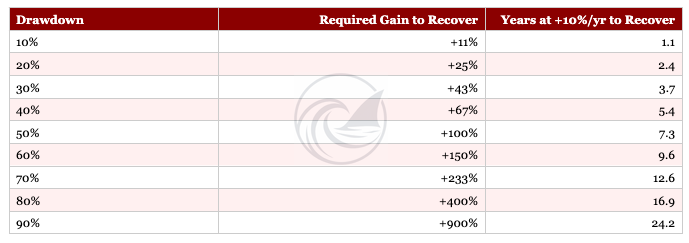
A 10% drawdown needs +11% to get back to flat. Easy. A 20% drawdown needs +25%. Still recoverable inside a normal year. A 50% drawdown needs +100%. That is a doubling. Most people don’t double their money in five years, let alone get the chance to do it just to stand still.
A 70% drawdown needs +233%. That is the number that should keep position sizers honest. To recover from a 70% loss you have to triple what is left and add a third on top.
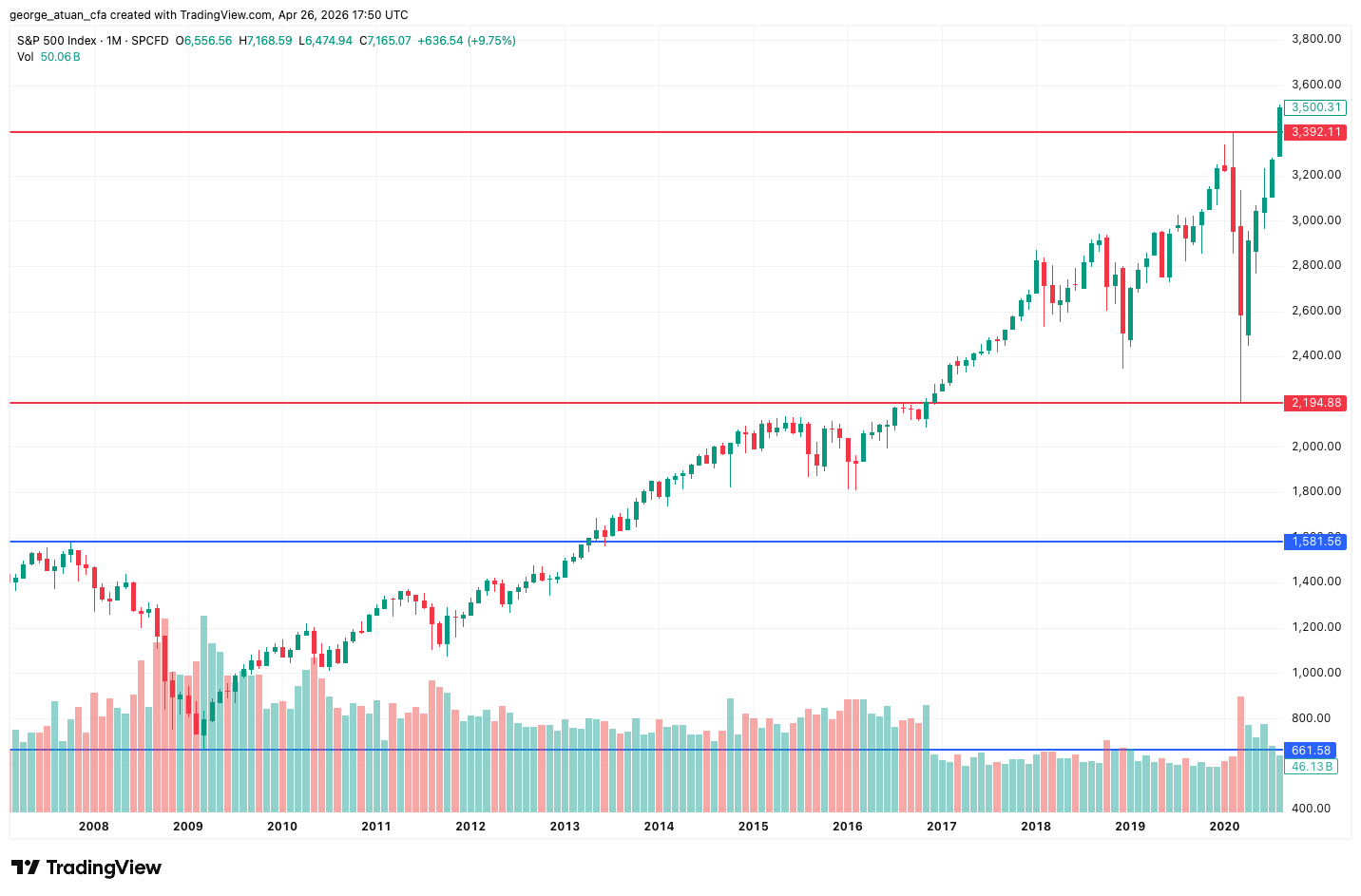
The S&P 500 has not actually drawn down that far in 25 years (the GFC bottomed at -57%, COVID at -34%)…
…but the Nasdaq Composite did during the dot-com bust: down 78% from March 2000 to October 2002, and it didn’t make a new all-time high until April 2015.
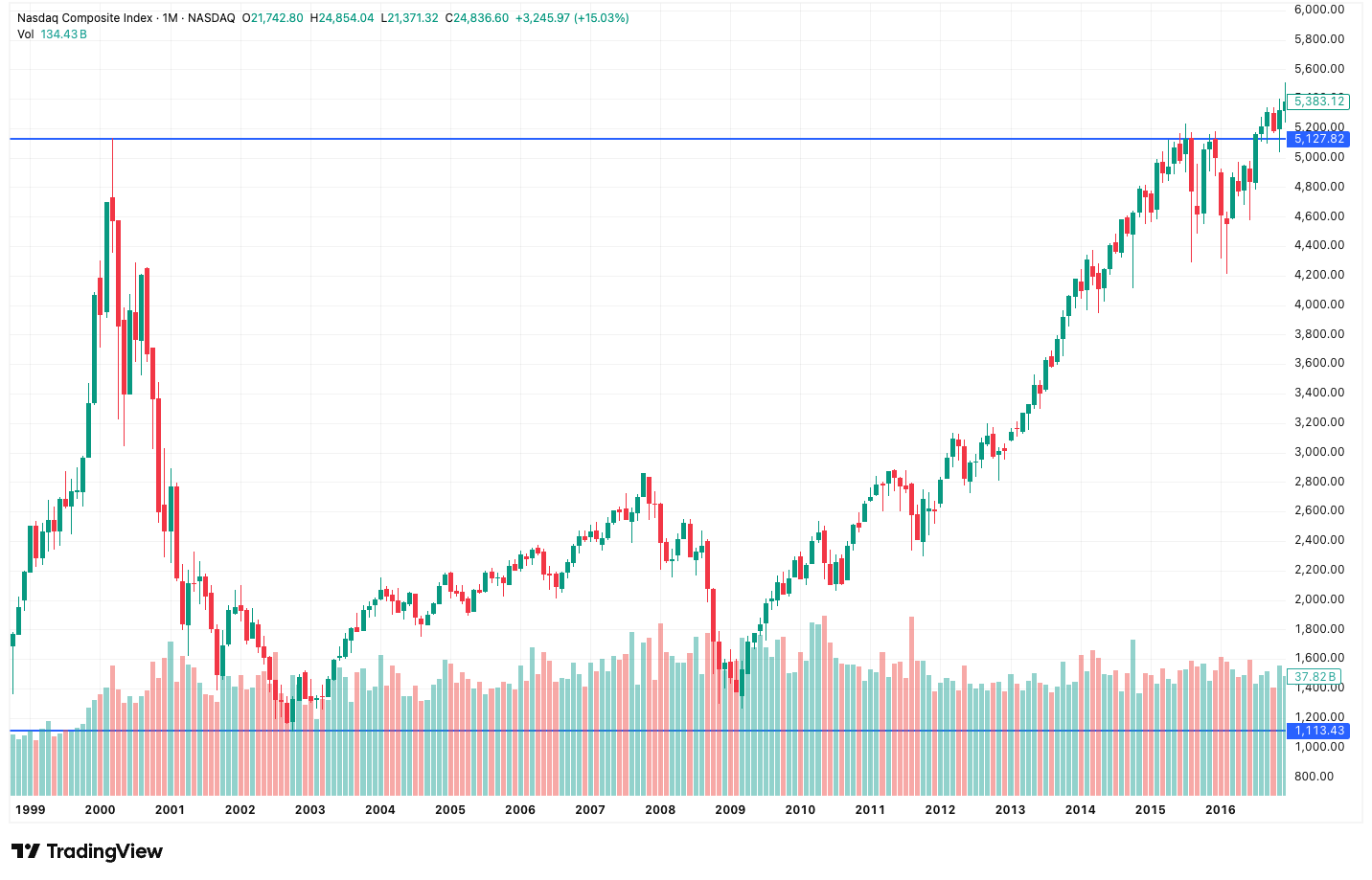
Almost fifteen years of dead money. Single stocks blow up that hard all the time.
PYPL drew down 78% in one year from July 2021.
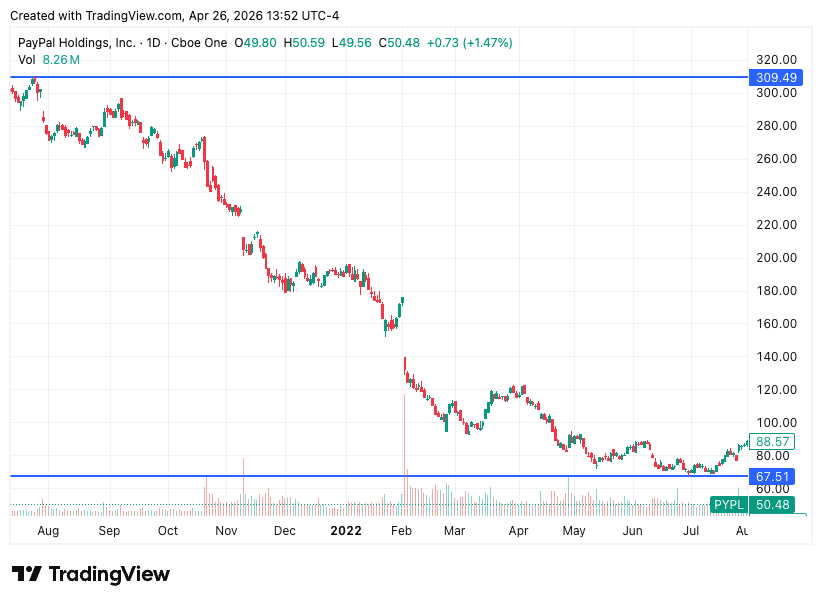
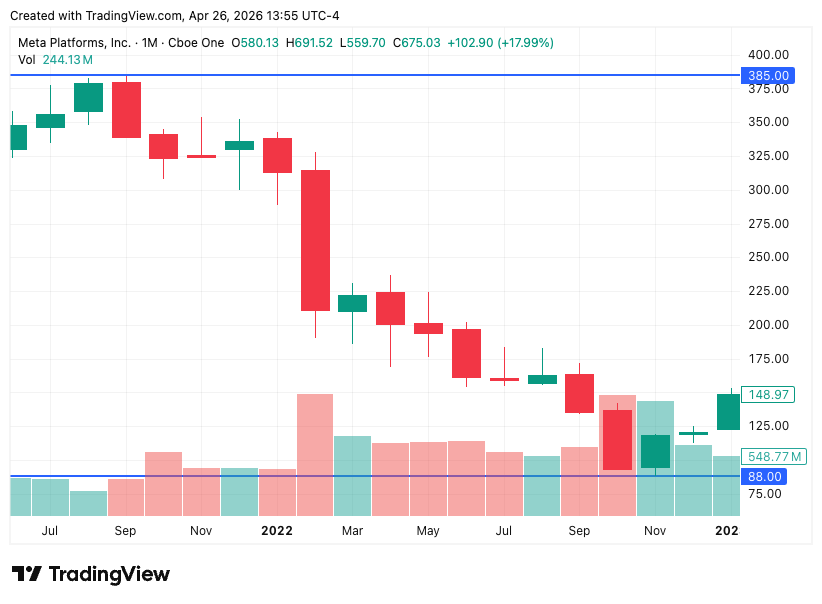
Meta drew down 77% in the same period.
Cisco just recovered earlier this year to its 2000 peak, twenty-six years later.
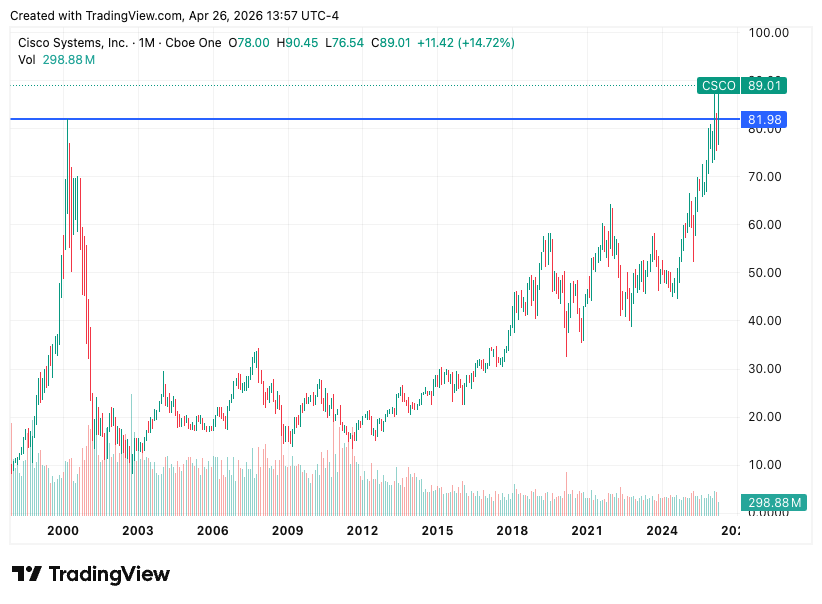
On the way down, it always feels like the world is ending. Sometimes it is. More often, it just takes time to get back.
The asymmetry doesn’t only apply at the index level. Single stocks blow up harder and recover slower. Often they don’t recover at all.
What PayPal taught me in real time
Last quarter I closed PYPL at a 52% capital loss.

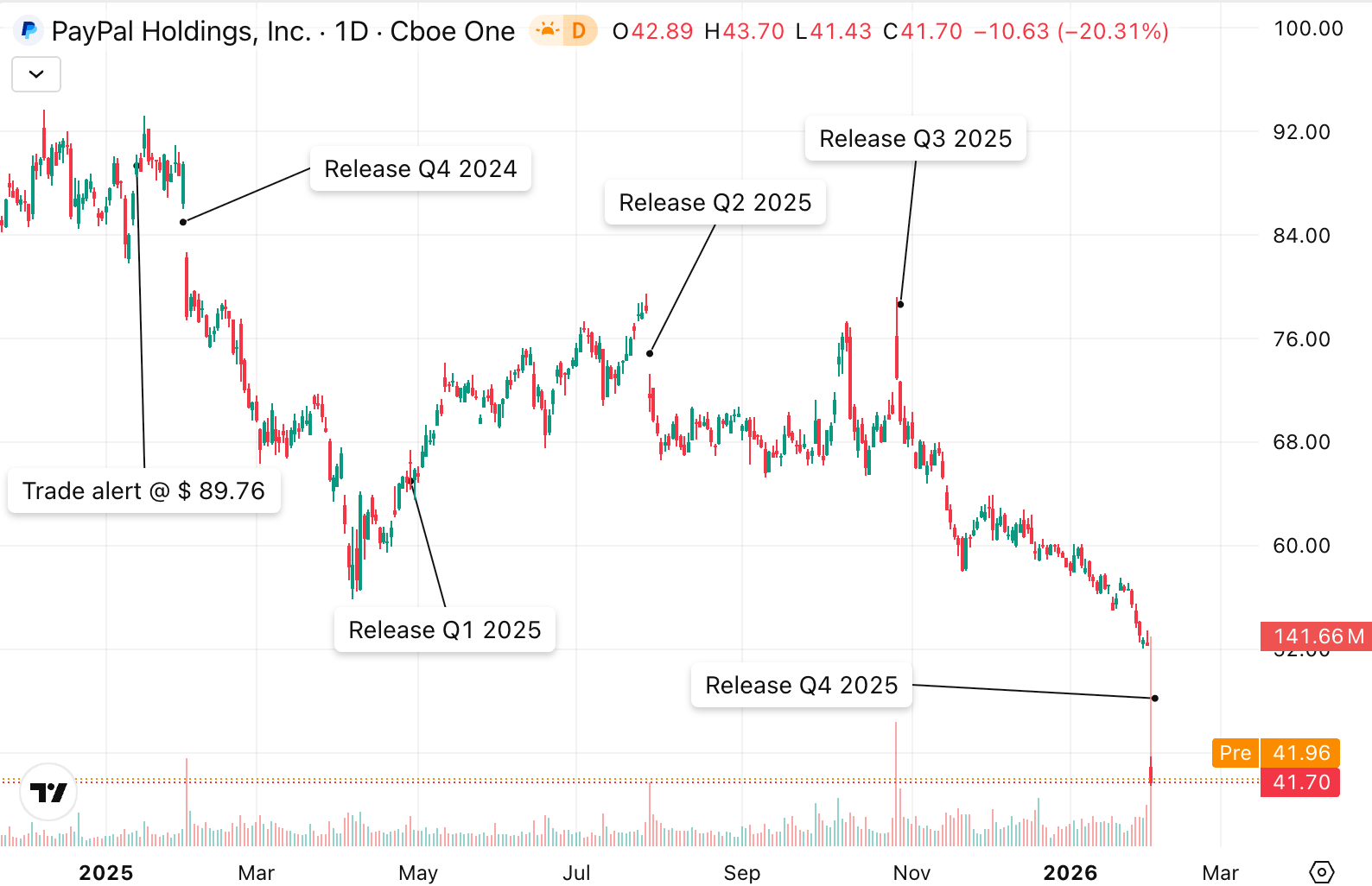
Everything about that trade went wrong. The thesis on consumer spend held up, but the take-rate compression management pretended was temporary turned out to be structural, the new CEO inherited a Branded Checkout product that was bleeding share to Apple Pay and Shop Pay every month, and the buyback was funding a dilution treadmill rather than shrinking the float.
I wrote about all of this in the PayPal Post-Mortem and in the trade alert that closed the position. Read both if you haven’t.
But here is the part that matters for today’s discussion: PYPL was 1.7% of the portfolio. A 52% loss on a 1.7% position cost me 88 basis points.

Less than half a percent of NAV. In the week that I closed the position, the rest of the book had already covered the damage 7x over.
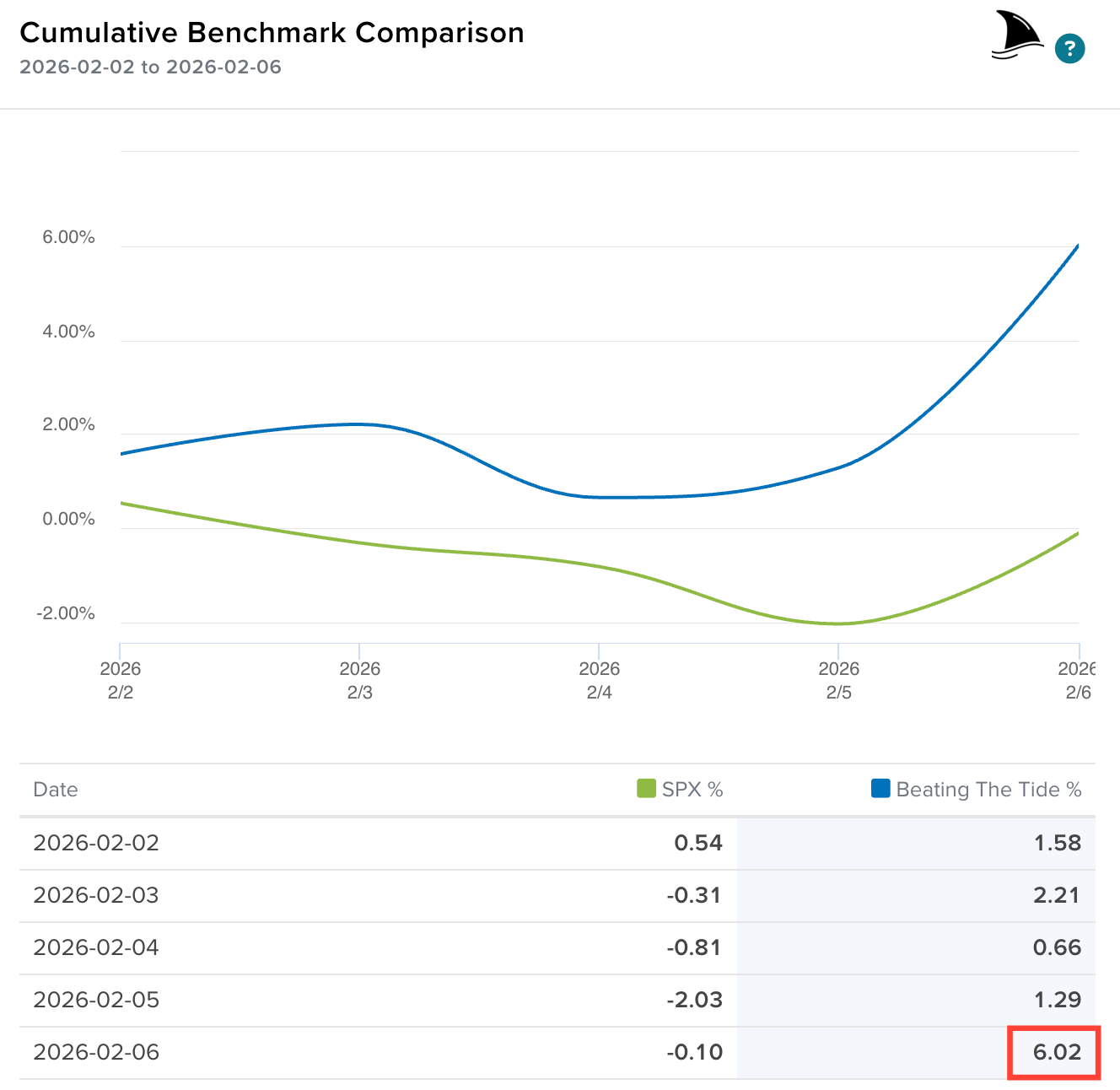
The portfolio kept compounding. The mistake stayed contained.
Now imagine the same trade at 10% of the portfolio, the size a “high-conviction” advocate would have chosen. A 52% loss on a 10% position is 5.2% of NAV gone. To recover from that single mistake, the rest of the book has to deliver +5.5% just to stand still. A full year of acceptable returns, vapourised by one wrong call.
At 25% of the portfolio (which I have been asked about more than once), the same mistake removes 13% of NAV. Recovery requires +15%. That is half a year of compounding lost to one trade. And PYPL was not even a catastrophic blow up. PYPL has, in its history, drawn down 83% during the inflation shock of 2022. Imagine sizing a name 25% with that kind of left tail in the distribution.
This is the asymmetry the “go all in” crowd never models.
CDE: the opposite lesson
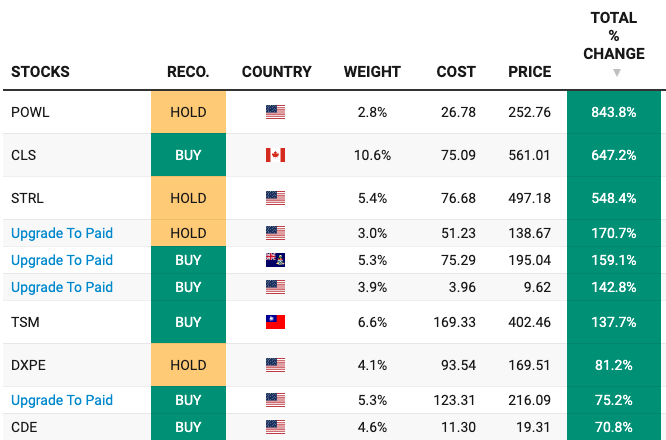
Coeur Mining [CDE 0.00%↑] is the tenth best-performing position in the portfolio.
It is also one of the most volatile: silver moves 5% on a Tuesday, the equity moves 12%.
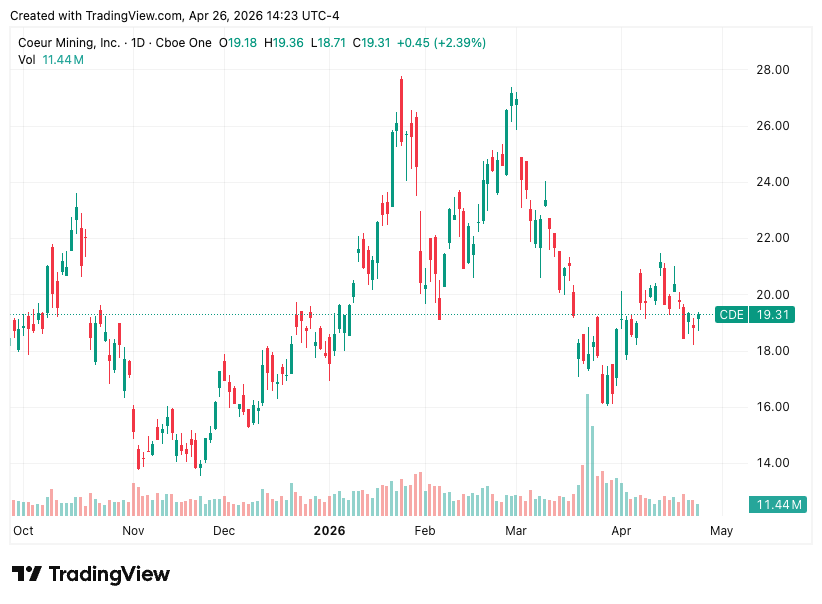
If I had gone “all in” at 25%, every silver tantrum would have had me down 3% on the portfolio in a session. By the third one I would have been managing my emotions instead of my analysis.
Instead I sized CDE at 4%1. The conviction was high, but the volatility was high too. So the position sized to what I could hold through a 40% peak-to-trough drawdown without flinching. CDE has had two of those since I bought it. I am still long.
The lesson cuts both ways. Sizing small didn’t cost me on CDE. The position has more than doubled and added meaningfully to portfolio returns. It just delivered those returns without forcing me to make a single emotional decision along the way. That is the trade-off most people get backwards: they think small position sizes mean small returns. What they actually mean is smaller emotions, which is what allows you to hold the winners for years instead of selling them in the next drawdown.
The rule I actually use
Position size = conviction × (Risk:Reward / 100) x (pain budget / max plausible drawdown)
Where:
Conviction is a number between 0.5 and 1.0, reflecting how confident I am that the thesis is right.
Risk:Reward is a score I calculate and track in my watchlist for each name, weighting the upside path against the downside path. A higher number means a more attractive investment.
Pain budget is the maximum percentage of NAV I am willing to lose on a single name in the worst case. For me that is 3%.
Max plausible drawdown is the worst peak-to-trough loss I can imagine on the underlying equity. Not the average. Not the comfortable case. The 95th-percentile bad outcome. Monte Carlo simulations are useful here.
Run the numbers and the table is the table. For example, at a Risk:Reward of 80 and a 3% pain budget you get the below:

Note that in that table there are sizings above 5%, but that is just theoretical. If you find a name whose maximum plausable drawdown is just 20% to 30%, please let me know!
A strong-conviction call (0.9) on a name with a plausible 50% drawdown sizes at 4.3%. The same conviction on a name that could draw down 70% sizes at 3.1%. A 0.7 conviction call on a 50% drawdowner sizes at 3.4%. Notice the punishment that drawdown depth inflicts on size: hold conviction constant and double the worst-case drop, and the position size more than halves. Even at maximum conviction, a name with a plausible 70% drawdown caps at 3.4%, around half of what the same conviction earns on a 40% drawdowner. That isn’t because I lack confidence in my work. It is because the asymmetry of recovery does not care how confident I am.
The rule also forces me to be honest about what “max plausible drawdown” means. PYPL’s was 78% in 2022. Anyone sizing PYPL today as if 30% is the worst case has not done the work. The drawdown number is where most people lie to themselves. Pull the 10-year chart, find the worst peak-to-trough, then add a third on top because the next bear market will be worse than the last one in some way you can’t predict.
Three layers of conviction
The other thing that separates a 5% position from a 2% position in my book is whether the thesis has three layers of conviction or only one.
Layer #1. The business.
Do the unit economics work in good times and bad? Is the moat real, or a temporary share advantage that competition will erode? Can I draw the income statement five years from now without squinting?
Layer #2. The valuation.
Is the price disconnected from a defensible estimate of intrinsic value, by enough margin to absorb being half-wrong on growth or margins? If the answer is “yes, if you assume management hits guidance,” then it is not a 5% name.
Layer #3. The capital allocator.
Will the people running the company compound shareholder value or extract it? Buyback discipline, M&A history, executive compensation structure, insider ownership. This is the layer most people skip.
If a name only has one of those three, it is a 2% position or it is a watch-list name. Two layers gets you 2% to 3%. All three layers, sized to the drawdown profile, is what gets you to 4% or 5%. Without all three, concentration is gambling dressed up as analysis.
This matters more in April 2026 than in most months. The market is richly priced. The 2025 winners are up multiples. The temptation to size up the names that worked is exactly when the math becomes least forgiving. A 25% position in a name that has run 4x in a year, sized for the next move up, is a portfolio-ending decision waiting for a catalyst. The catalyst will come. They always do.
Conviction is not a substitute for sizing. The arithmetic of recovery doesn’t care how confident I am, and neither does the next 40% drawdown that lands in a name I was sure of. Sizing 2% to 5% isn’t timidity. It is the only way I know to be wrong on three or four positions a year and still let the winners compound to the upside they deserve.
Portfolio Update
The market hit an all time high. The portfolio outperformed the market, expanding our lead.
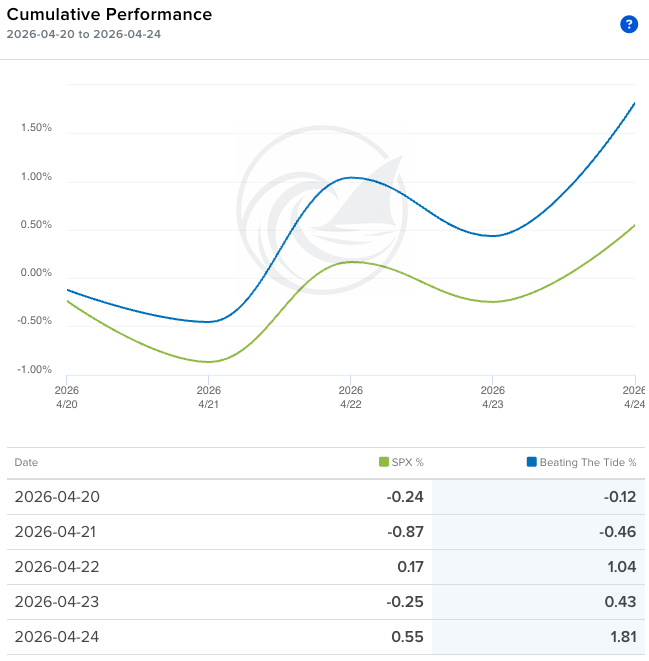
Portfolio Return
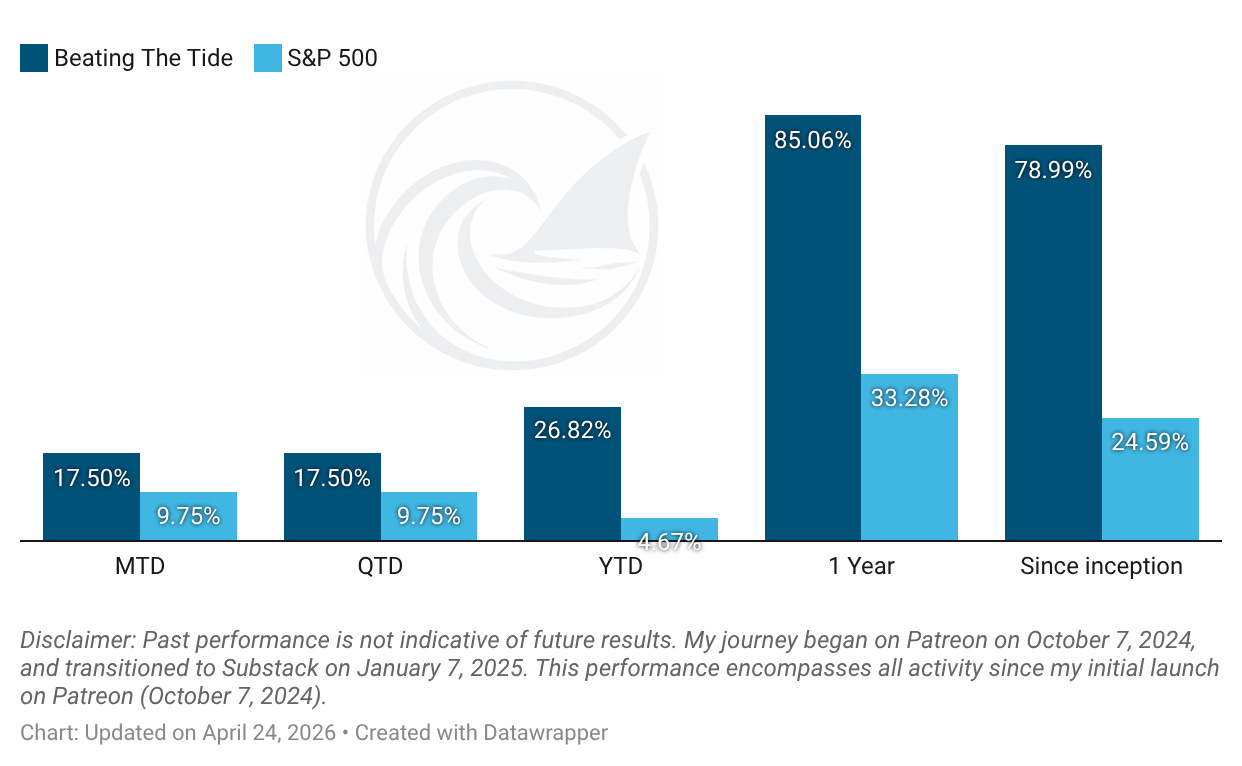
Month-to-date: +17.5% vs. the S&P 500’s +9.8%.
Year-to-date: +26.8% vs. the S&P 500’s +4.7%. That is a gap of 2,215 basis points.
Since inception: +79.0% vs. the S&P 500’s +24.6%. That’s 3.2x the market.
Contribution by Sector

Tech led the gains.
Contribution by Position
(For the full breakdown plus commentary on earnings results and the big movers, see Weekly Stock Performance Tracker)
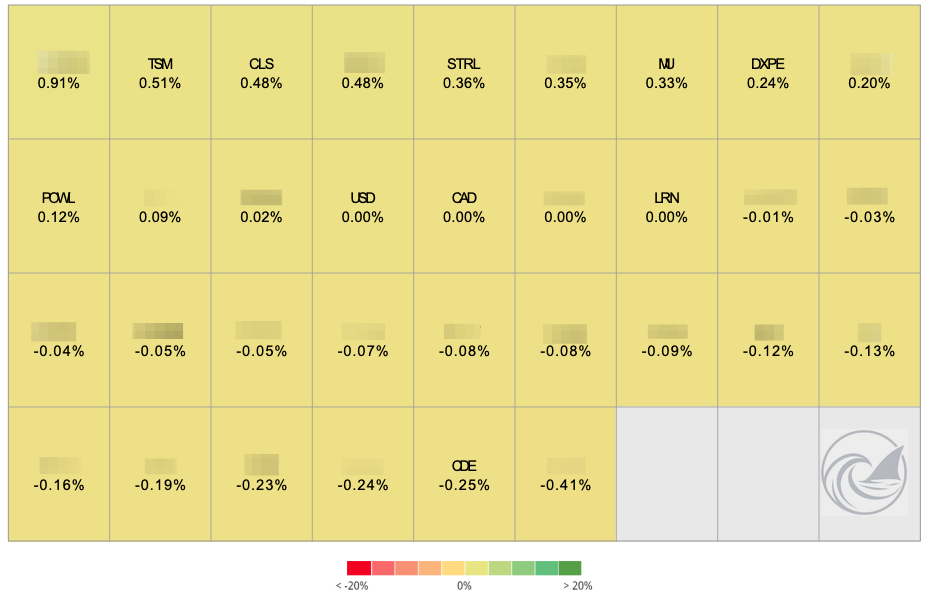
+51 bps TSM 0.00%↑ (Thesis)
+48 bps CLS 0.00%↑ (TSX: CLS) (Thesis)
+36 bps STRL 0.00%↑ (Thesis)
+24 bps DXPE 0.00%↑ (Thesis)
+12 bps POWL 0.00%↑ (Thesis)
flat LRN 0.00%↑ (Thesis)
-25 bps CDE 0.00%↑ (Thesis)
That’s it for this week.
Stay calm. Stay focused. And remember to stay sharp, fellow Sharks!
Further Sunday reading to help your investment process:
Never Stop Asking Why, Using the “5 Whys” to Solve Problems and Pick Stocks
The Rise and Fall of Moats: When Walls Built to Protect Become Traps
How I Earn $3,000-$7,000 a Month While Waiting to Buy Great Stocks Cheaper
I didn’t buy CDE but rather received the shares as an exchange for my NGD shares after the merger. Having said so, I performanced the same position sizing calculation as if I bought the shares. If I wasn’t find with the sizing I would have trimmed,