



I have a confession to make. One thing that I miss from my corporate strategy days was the ability to have a say in a company’s strategy. True, I could become an activist investor, but it would be a battle against management, and I see lots of headaches in that. Rather, I wanted to own a business and run it as I saw fit. That is when I partnered with my brother, looking for a company to buy. We got all the financing needed (a combination of silent investors, private debt, plus equity from us).
I thought we should focus on the near-shoring theme and started to look at Canadian companies that would benefit from the US plan of bringing back manufacturing. I saw the suppliers for the automotive sector in Canada as a clear winner and an easy roll-up story.
We travelled all over Ontario, saw companies, met management, did due diligence, channel checks, made offers…in many we were outbid, in some we made it to the second round, in a few we were the finalists, in one our offer was accepted.
It was an automation company in Windsor. We were about to close the deal, and then Trump opened his mouth: the 51st state…; the whole sector was in chaos, and we had an exit clause that we used.
We had fun in those two years searching for the ‘target’. But I realized that while I wanted to control my own company and apply my own strategy, the drawbacks were too many, so I gave up. The main drawback was that I would need to scale back on the time I spend on stock investing…which I really didn’t want to do, besides the opportunity cost (time & money) did not make that much sense.
Why am I mentioning this?
Over those two years, my know-how on everything automotive-related increased by 10x, and I already came from a high base. I had seen dozens of suppliers from the inside: their contracts, their cost structures, what a disciplined operator can squeeze out of a neglected plant. So when I stumbled into STRT, I recognized the setup immediately. It was an easy buy.
Table of contents
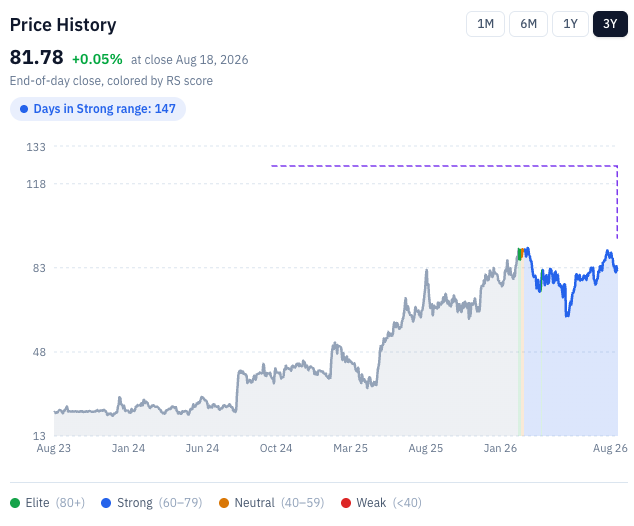
Since adding Strattec [STRT 0.00%↑], it returned 75.7%. On August 17, I closed the position and sent the trade alert the same day.
![STRATTEC Security [STRT] closed position tracker: HOLD rating at exit, 1.3% portfolio weight, $47.11 cost basis, $81.56 exit price and a 75.7% total return since the October 2024 pick. Source: Beating The Tide portfolio tracker, August 17, 2026.](https://substackcdn.com/image/fetch/$s_!ZlN_!,f_auto,q_auto:good,fl_progressive:steep/https%3A%2F%2Fsubstack-post-media.s3.amazonaws.com%2Fpublic%2Fimages%2Fa4b164cf-79df-43a8-bb8e-9410873ce7e9_596x96.png "STRATTEC Security [STRT] closed position tracker: HOLD rating at exit, 1.3% portfolio weight, $47.11 cost basis, $81.56 exit price and a 75.7% total return since the October 2024 pick. Source: Beating The Tide portfolio tracker, August 17, 2026.")
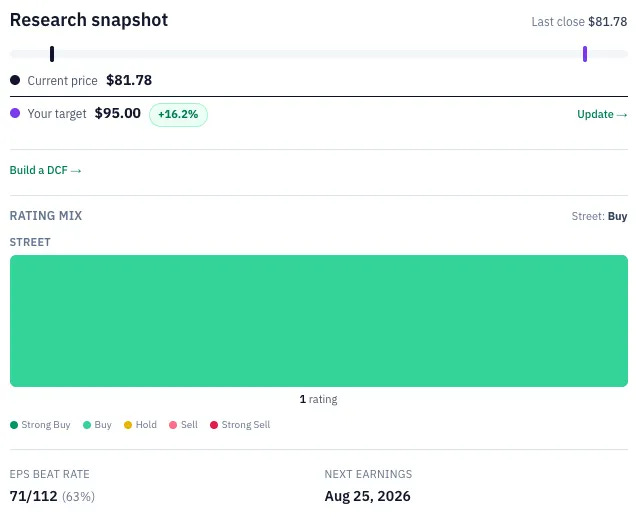
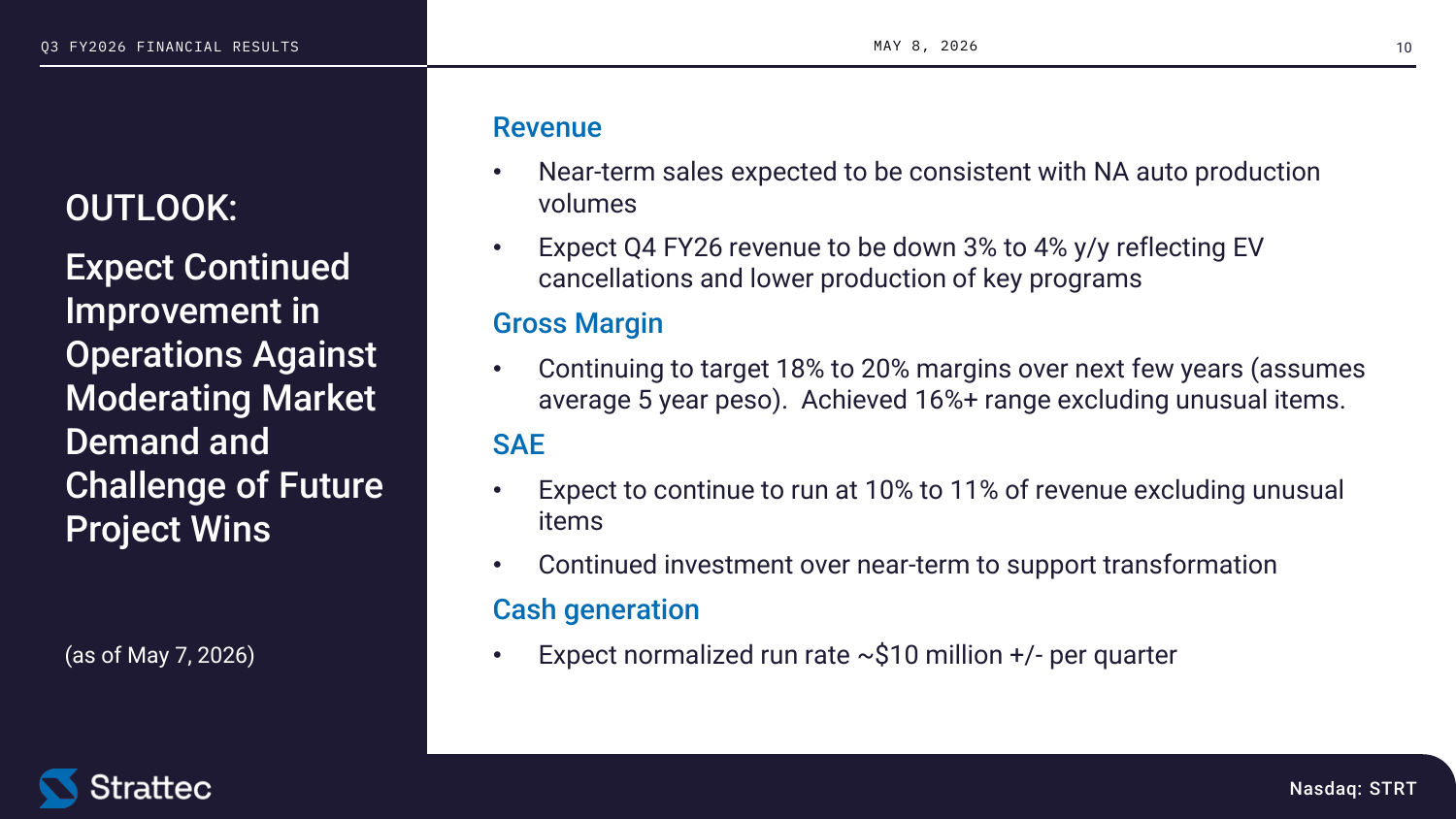
After the latest refresh on the company, the valuation decreased from $125 to $95, and the risk-reward profile became negatively skewed, with more downside than upside from here.
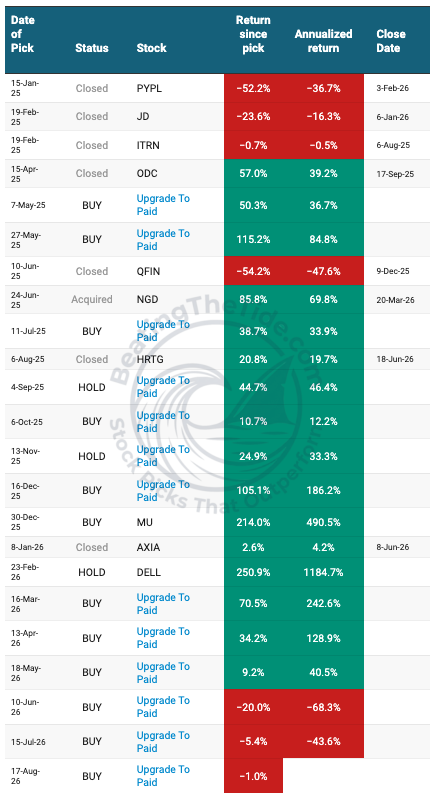
So I redeployed the capital into the August pick, a setup where the upside and the downside are asymmetrical.
TLDR
I closed STRT on August 17 at a 75.7% gain.
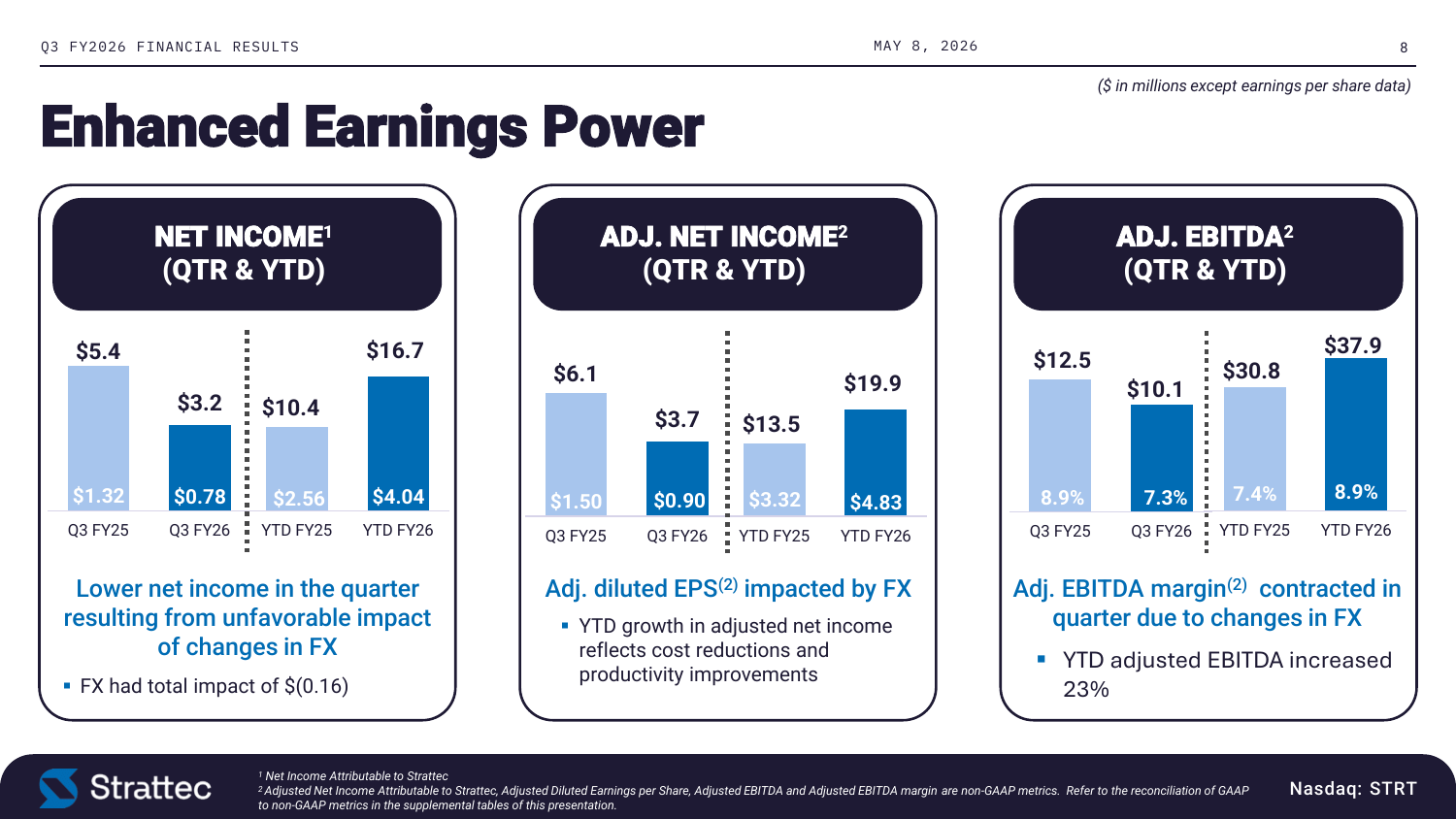
The margin thesis delivered: gross margin went from 12.2% in FY2024 to 16.8% through nine months of FY2026.
The growth leg never arrived: Q3 FY2026 revenue fell 4.5% y/y and Q4 is guided down 3-4%.
Fair value goes from $125 to $95 on a lower growth path and a slower margin timeline.
At my exit price, the downside outweighs the 16% upside while my August pick offers a positivevly skewed risk-reward asymmetry. That is why the capital moved.
How STRT ranks
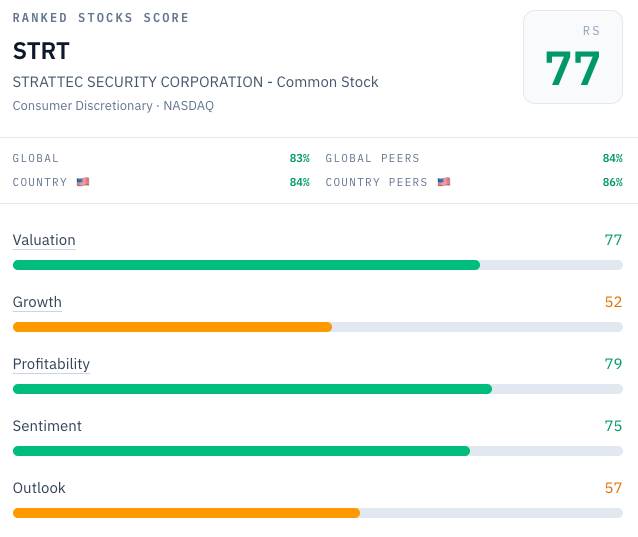
STRT leaves the portfolio scoring RS 77.
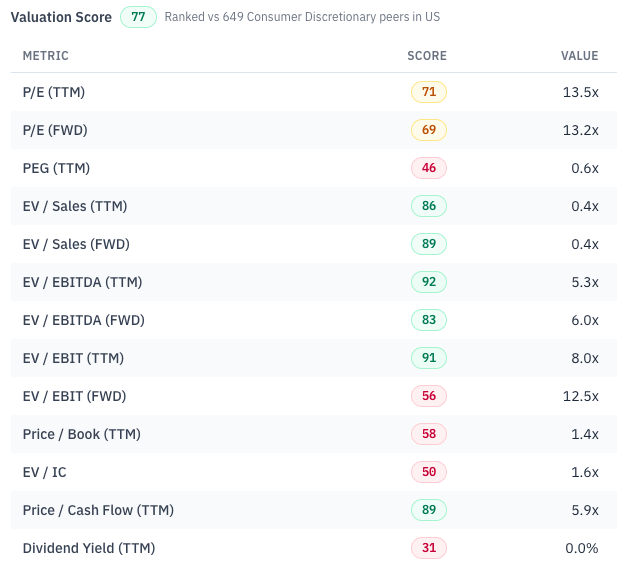
Valuation 77. Cheap on what it just earned, less cheap on what it is about to earn. Every trailing cash-flow multiple sits deep in the green, and the forward rows give part of it back.
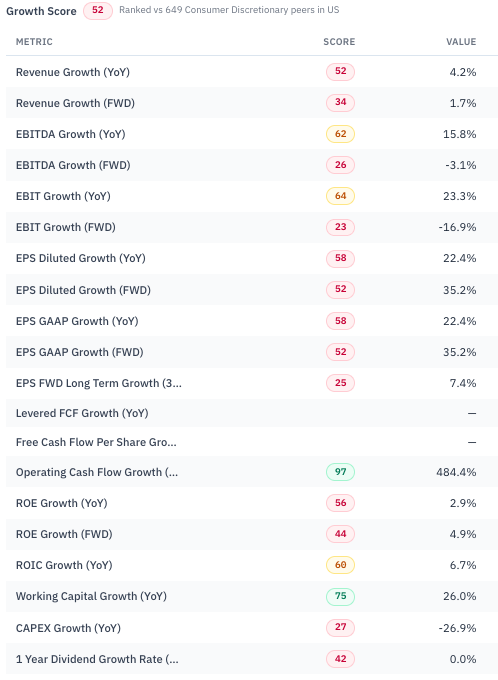
Growth 52. The trailing rows all score; the forward rows drag, with consensus holding revenue near flat and EBITDA lower next year. The factor is pricing, exactly the problem that cut my target.
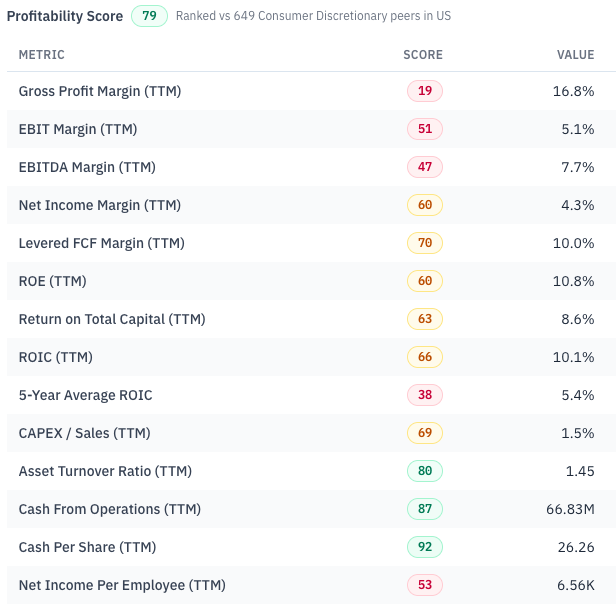
Profitability 79. The cash rows do the lifting. Operations turned a thin-margin book into real cash while gross margin still ranks near the bottom of the consumer discretionary peer set.
Run the same breakdown on any ticker yourself, for free, at rankedstocks.com.
The investment, start to finish
In 2024, STRT was a vehicle-access supplier most screens skipped: keys, locks, latches, door handles and power access for GM [GM 0.00%↑], Ford [F 0.00%↑] and Stellantis [STLA 0.00%↑], run from Milwaukee with plants in Mexico.
By the way, you can read my previous articles on GM and STLA, here and here.

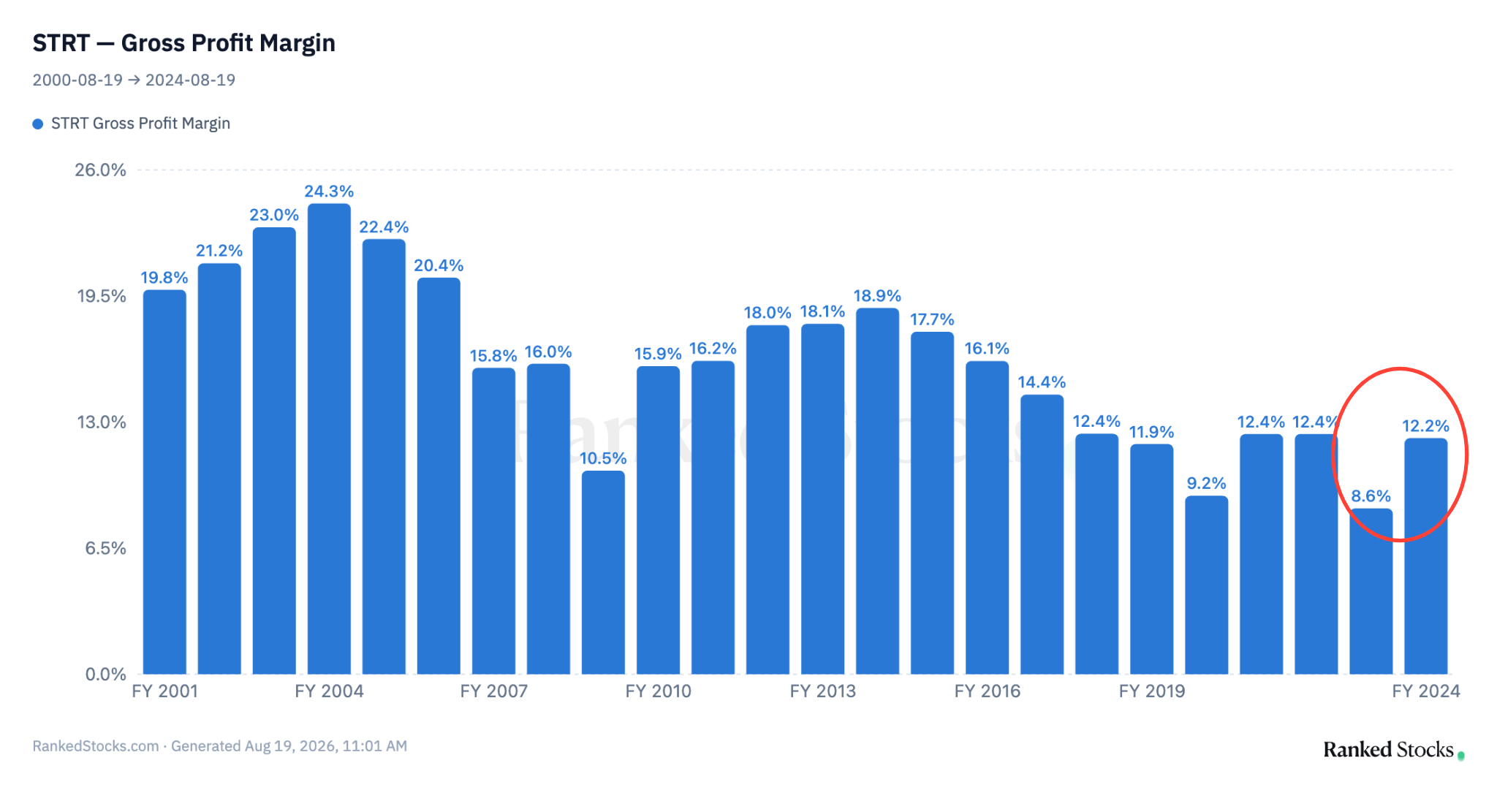
Jennifer Slater had been CEO since July 2024. Gross margin had just done 12.2% in FY2024 against 8.6% the year before…
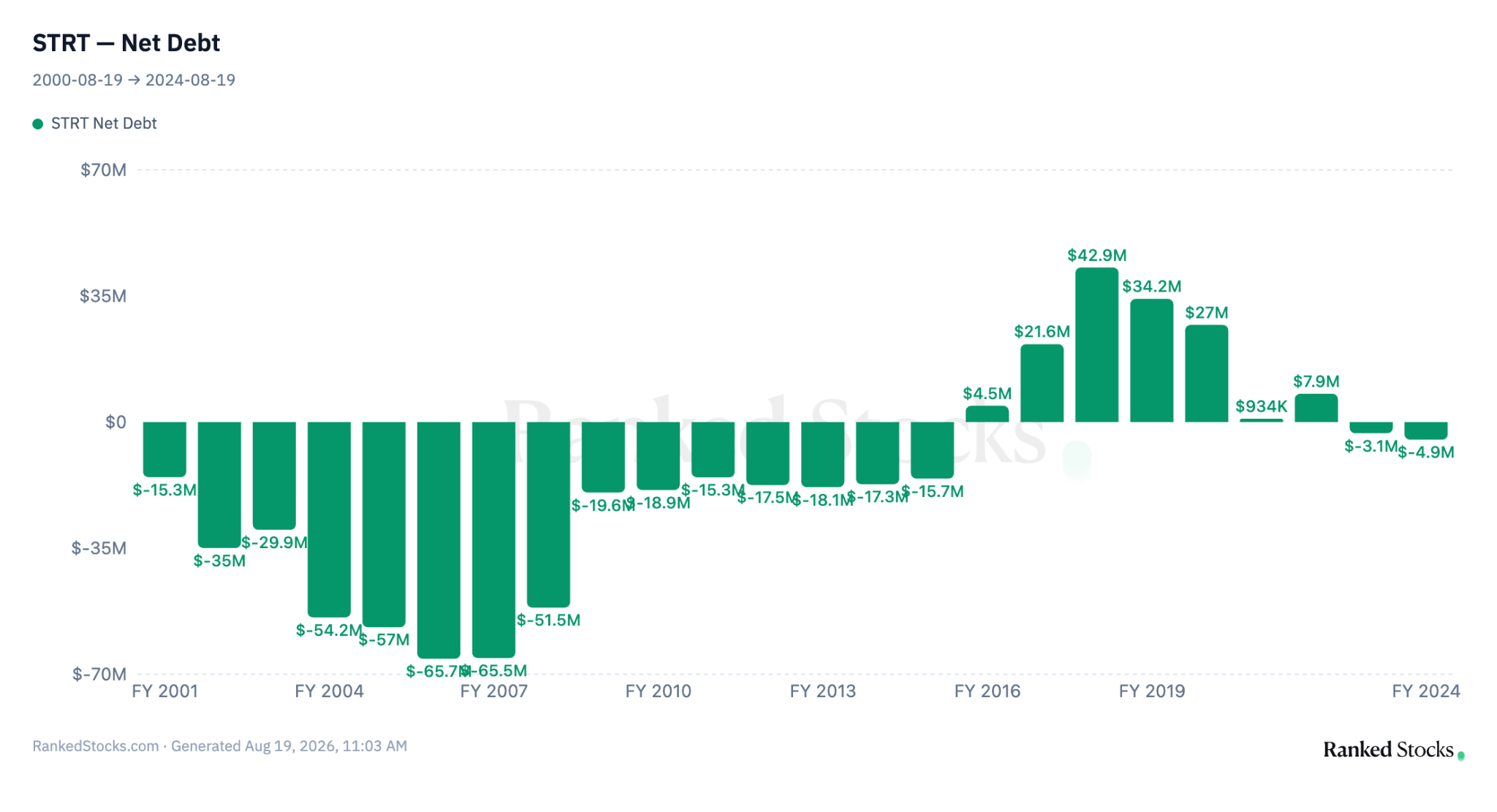
… the balance sheet held net cash…
… and the market cap was $168M.
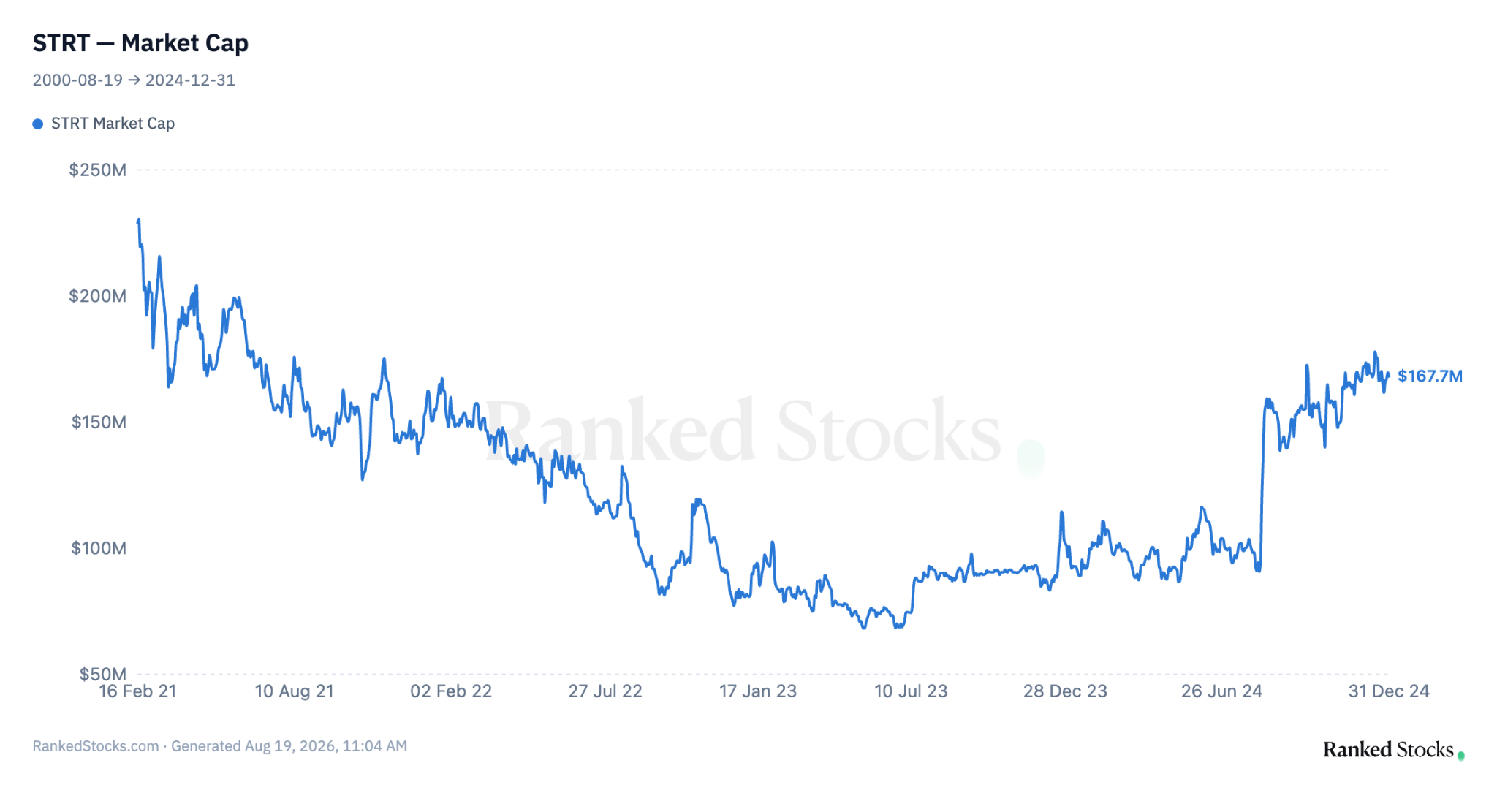
My thesis was that a focused operator could reprice legacy contracts, cut the cost base and let a starved income statement catch up to its revenue. My fair value was $125.
The thesis had two legs:
The first was leg included: renegotiated customer pricing, restructuring in Milwaukee and Mexico, a portfolio review that stopped investment in the switch product line, and a cost structure sized to the business STRT actually has.
That leg delivered.
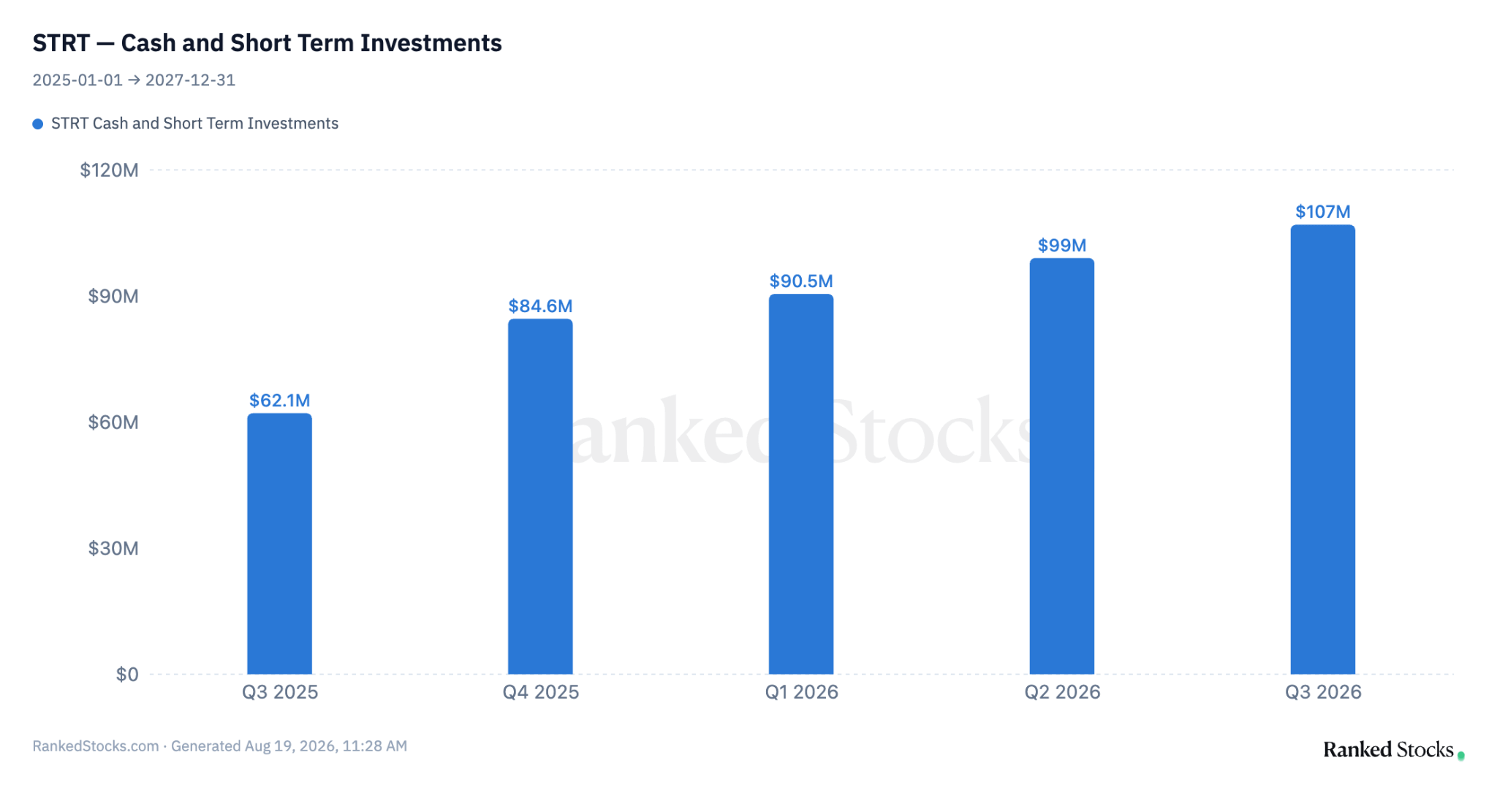
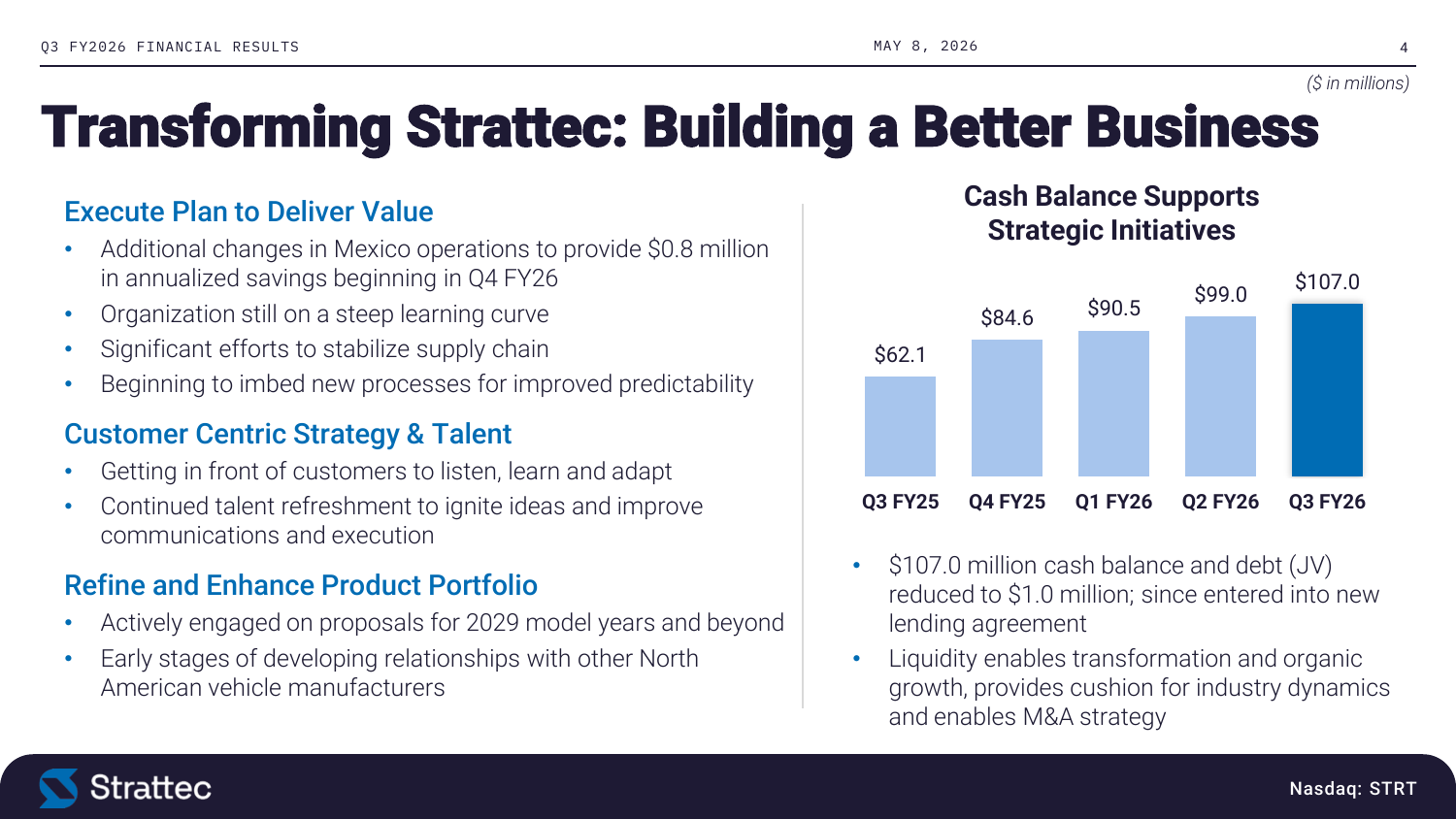
Gross margin reached 15.0% in FY2025 and 16.8% through nine months of FY2026; nine-month adjusted EPS is up 46%, adjusted EBITDA is up 23%, and cash grew from $84.6M at the end of FY2025 to $107M in three quarters, with no dividend pulling any of it out.
The second leg was growth.
My model had the top line expanding modestly while margins recovered, on content gains and new program awards. That leg failed. Revenue fell 4.5% y/y in Q3 FY2026, Q4 is guided down 3-4%, and customer EV program cancellations removed $9M of annual revenue. Ford and Hyundai Kia, two of the largest customers, were each down more than 10% in the quarter (per the Q3 FY2026 earnings call).
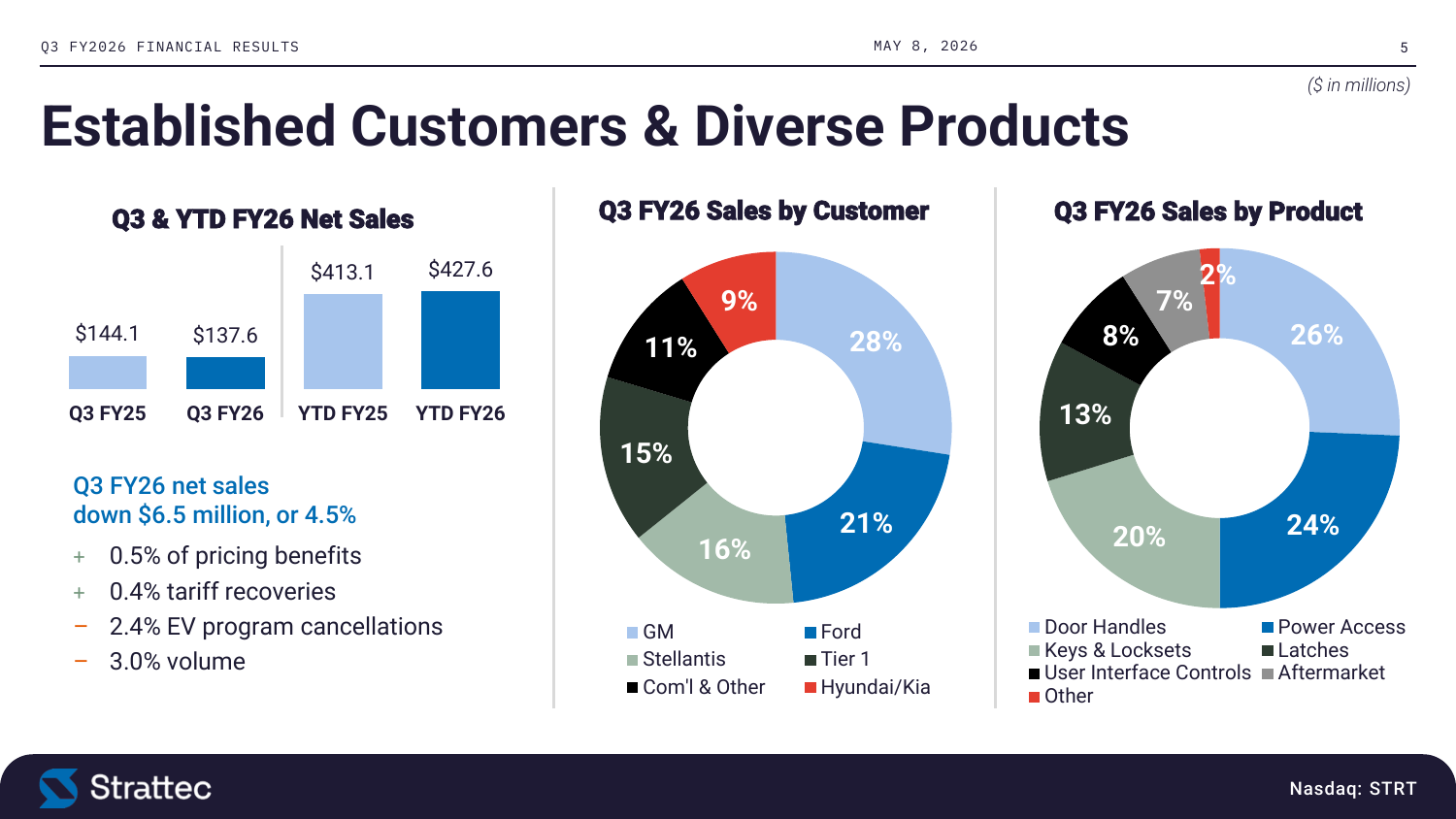
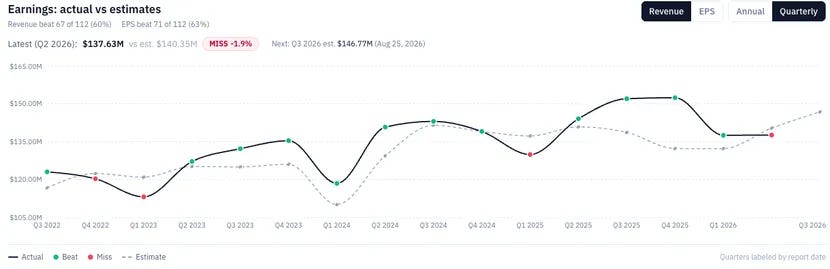
Q3 2026 earnings were when the two legs stopped covering for each other. The company missed revenue estimates…
… and also EPS estimates.
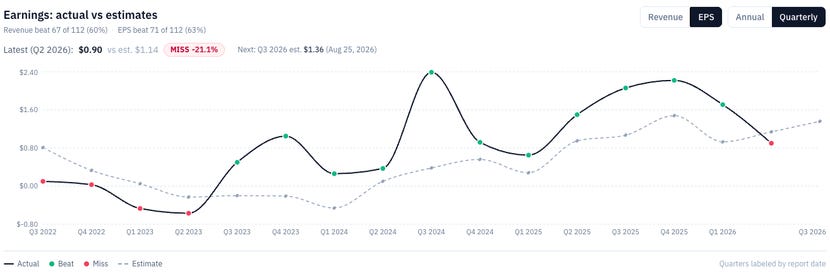
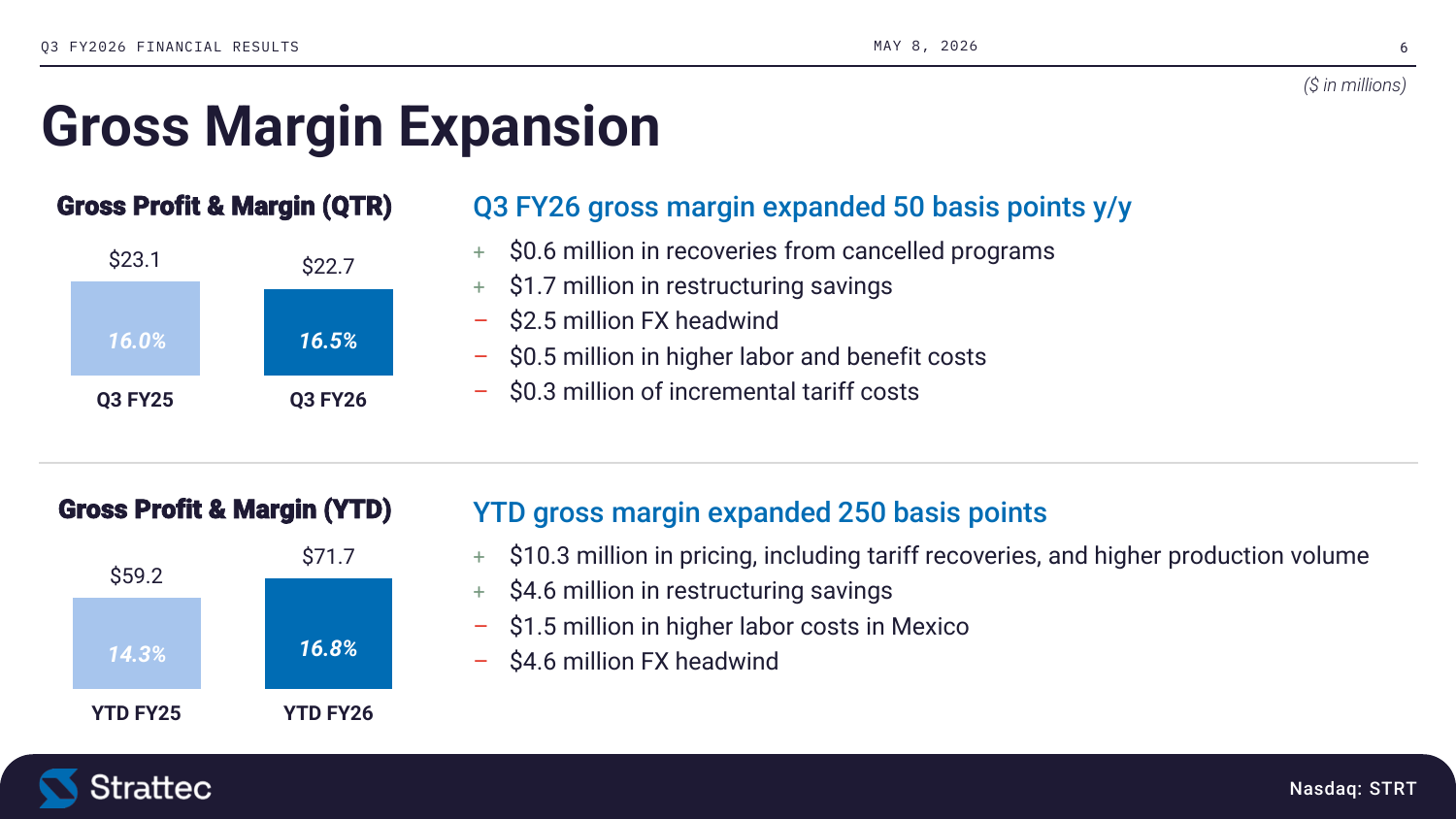
Gross margin expanded 50bp to 16.5% against a 170bp currency headwind, and adjusted EPS still fell 40% y/y, 21% below consensus, with a $0.16 hit from peso forward contracts alone. Margins improved and earnings still missed.
Mr. Market took the stock down to $62.45 the day after the print, then walked it back to the low $80s as the cash kept arriving.
The scorecard
What I got right
The margin lever was real. Gross margin went 8.6% in FY2023, 12.2% in FY2024, 15.0% in FY2025 and 16.8% through nine months of FY2026, and management now targets 18-20% over the next few years. The core of the thesis, that a disciplined operator could reprice and restructure a starved income statement, played out as I said.
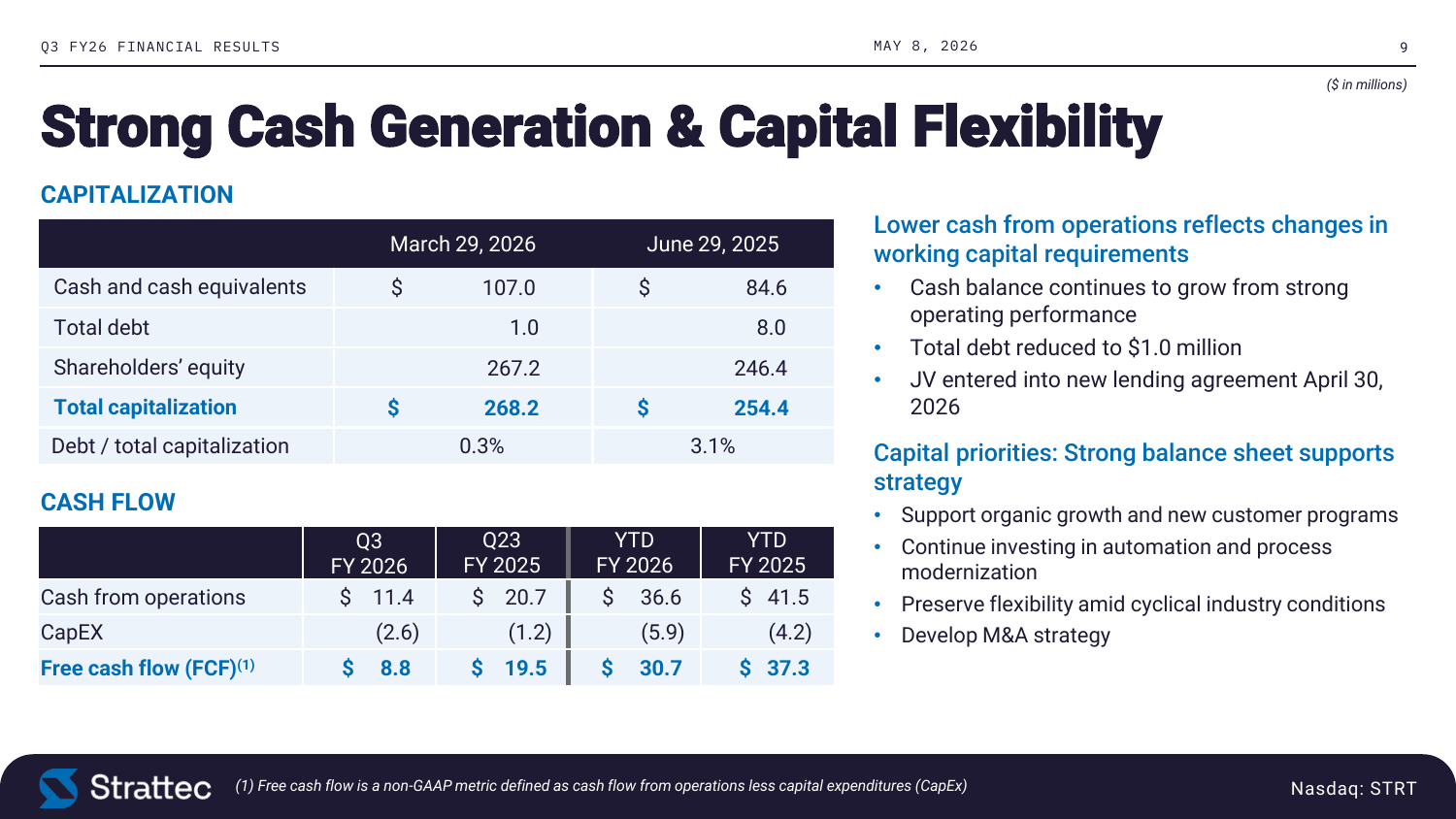
The balance sheet compounded. Cash ended Q3 FY2026 at $107M, a third of today’s market cap.
The refinanced revolving credit facility even dropped the parent guarantee.
Earnings did most of the work rather than multiple expansion. STRT still trades near 6x trailing EBITDA as in 2024.
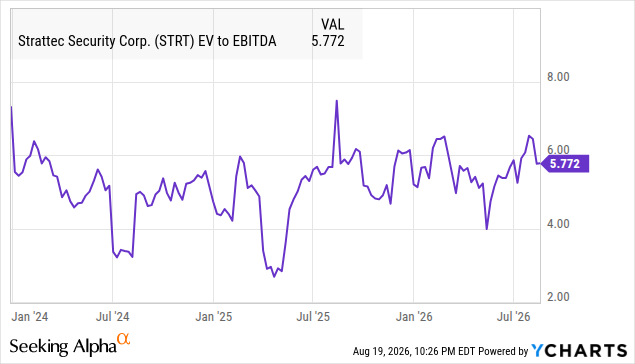
So the 75.7% came from earnings power and cash accumulation rather than multiple expansion.
What I got wrong
Miss #1. The growth leg. I modelled a company that could expand margins and grow. STRT expanded margins while revenue went backwards: cancelled EV programs, soft volumes on key platforms and a customer book where GM, Ford and Stellantis still drive 64% of sales. New platform awards pay from model year 2029 onwards, and I had that growth priced in years earlier.
Miss #2. The peso and the tariff drag on the timeline. The 18-20% gross margin target assumes the peso at its five-year average of 19.5. The actual peso cost 170bp of margin in Q3 FY2026 alone. This alone doesn’t break the margin thesis, but it pushes the arrival date, and the $125 target was a bet on the arrival date of the higher margins.
Valuation: from $125 to $95
My initial valuation reached $125 with both legs working: a recovering margin and a growing top line. The revision to $95 changes two assumptions and leaves the rest alone.
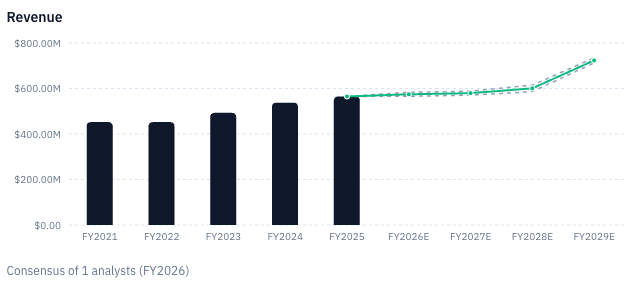
Growth cut. The revenue path now follows what the company is guiding rather than what I hoped for: FY2026 closes with two down quarters, the cancelled EV programs stay cancelled, and recovery waits on platform awards that start paying in model year 2029. Consensus has next year’s revenue near flat, and the model no longer argues with it.
Margin timeline pushed. The old path had gross margin reaching the 18-20% range quickly enough to compound against a growing revenue base. The new path holds the 16s in the near term and treats 18-20% as a multi-year destination gated by the peso and tariff recoveries.
The distance from my exit to fair value was 16%. Against it stands an auto supplier with two-thirds of revenue concentrated in three OEMs, a currency it does not control and a production cycle it does not set. In an ordinary auto downturn, the drawdown would run well past that: the 31% February-to-May slide happened without any downturn at all. The risk/reward is negatively skewed, more than a dollar of downside for every dollar of upside left.
Verdict
The position is closed at a 75.7% gain. STRT moves to the watchlist, where the Q4 FY2026 print on August 25 and any Mr. Market overreaction would get my attention again.
One thought to keep. Post-mortems on winners are where the process gets tested, because a 75.7% gain will happily hide a broken forecast. Mine had one: I was right about the margins and wrong about the size of the prize, and the investment still worked.