



While OPFI continues to print cash, my view on the long-term risk has shifted. Also, I am reallocating the capital from OPFI to another name where I see a higher upside and clearer short-medium term catalysts. If you want to jump straight to the trade alert, click here.
We are closing the position with a small gain of +6.3%.

This looks frustrating as we were up 131% at one point 😞, but it is what it is, we can’t win them all.

Also, I reduced the POWL position to finance the rest of the position. As I previously mentioned, POWL has been a trimming candidate if I needed capital.

Q4 2025 Earnings Results
OPFI’s numbers tell a story of growth meeting a more difficult economic wall. Profitability metrics reached new heights during the final quarter of the year. Total revenue increased 17.3%.
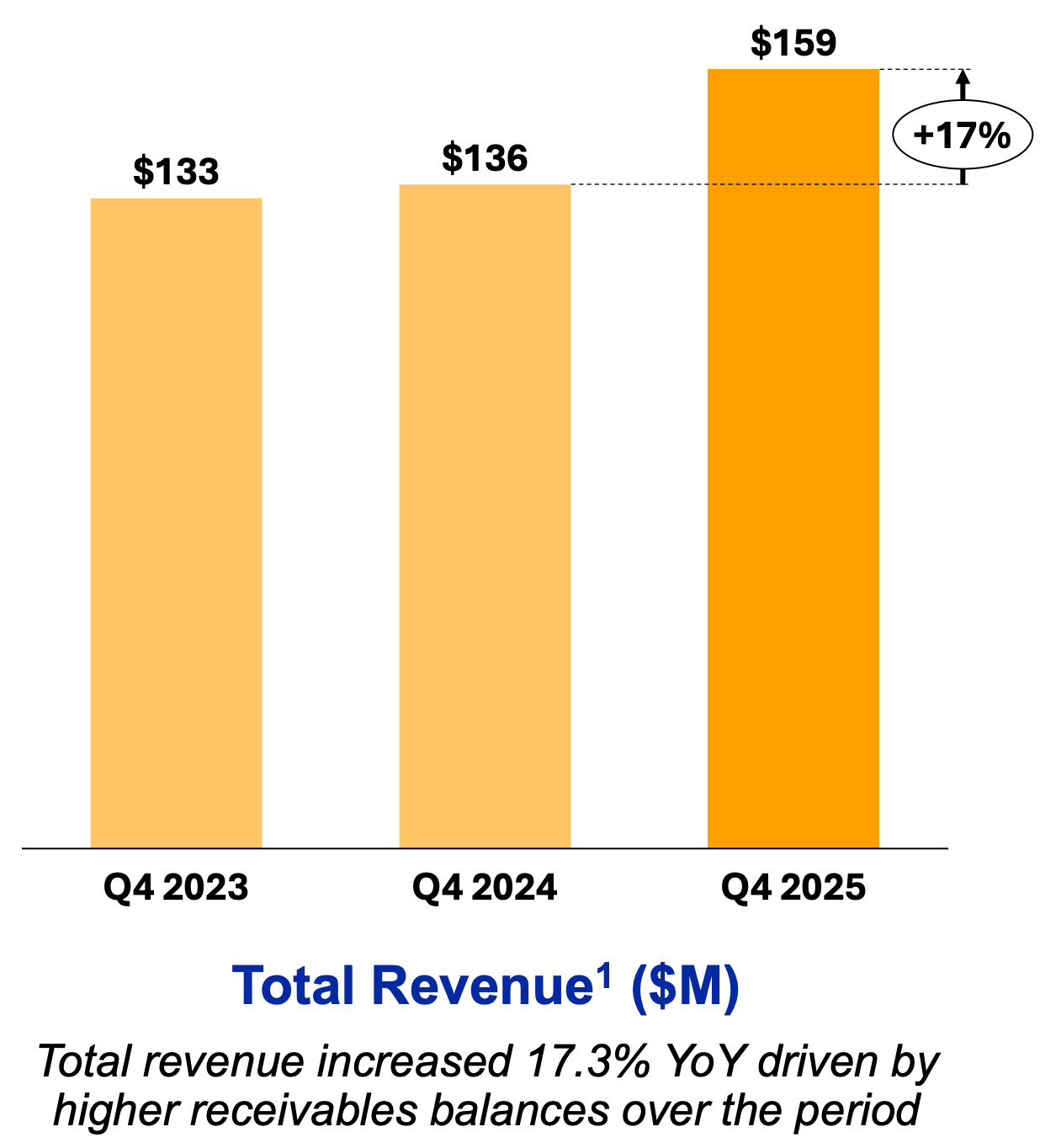
Adjusted net income grew 27.2%, which set a new record for any fourth quarter.

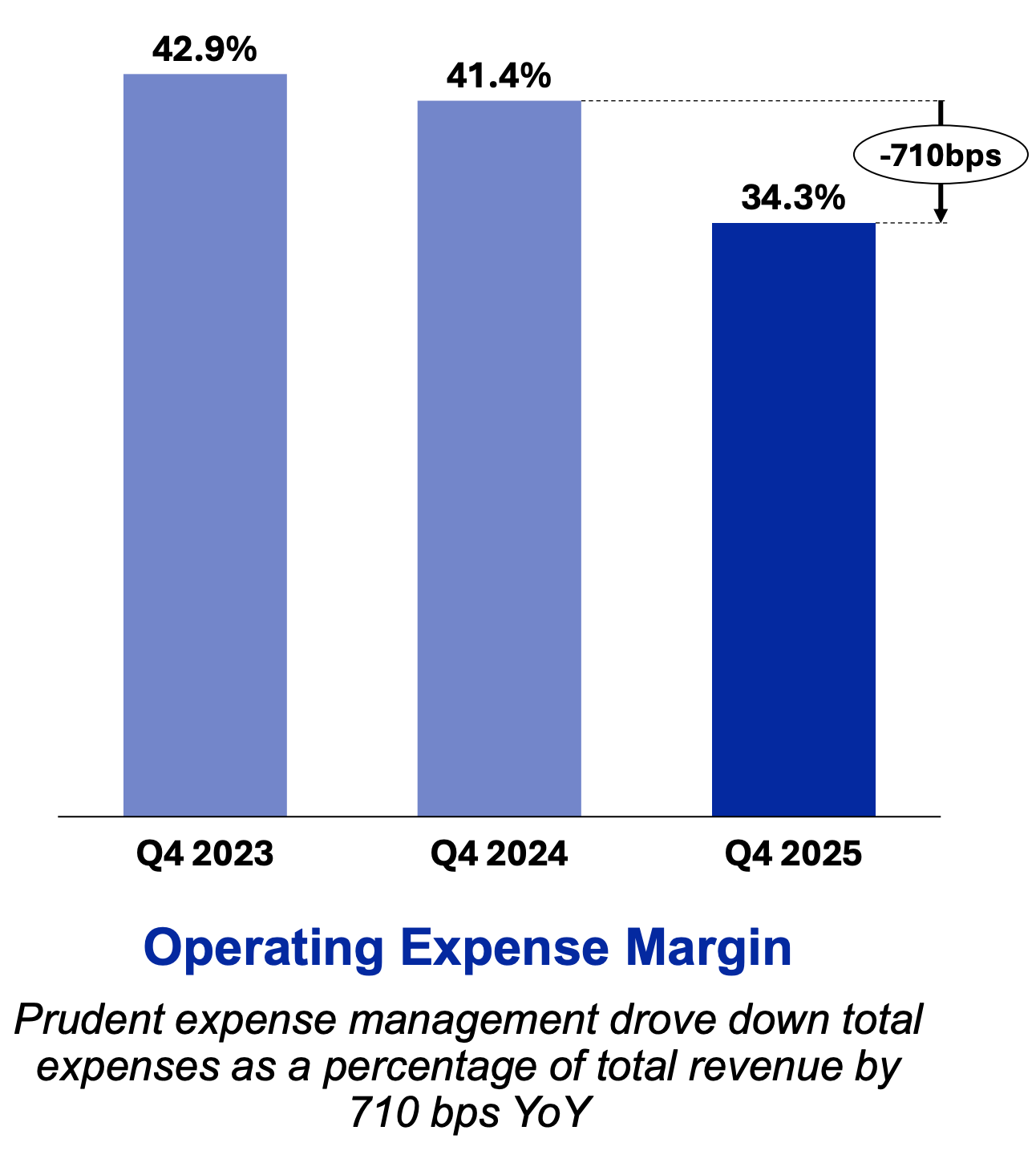
I track operating leverage as a primary indicator of a healthy business. OppFi [OPFI 0.00%↑] succeeded here. Total expenses as a percentage of revenue fell to 34.3% from 41.4% a year ago.
The credit side of the ledger shows growing pains. Net charge-offs as a percentage of revenue rose to 45% from 42% year over year.
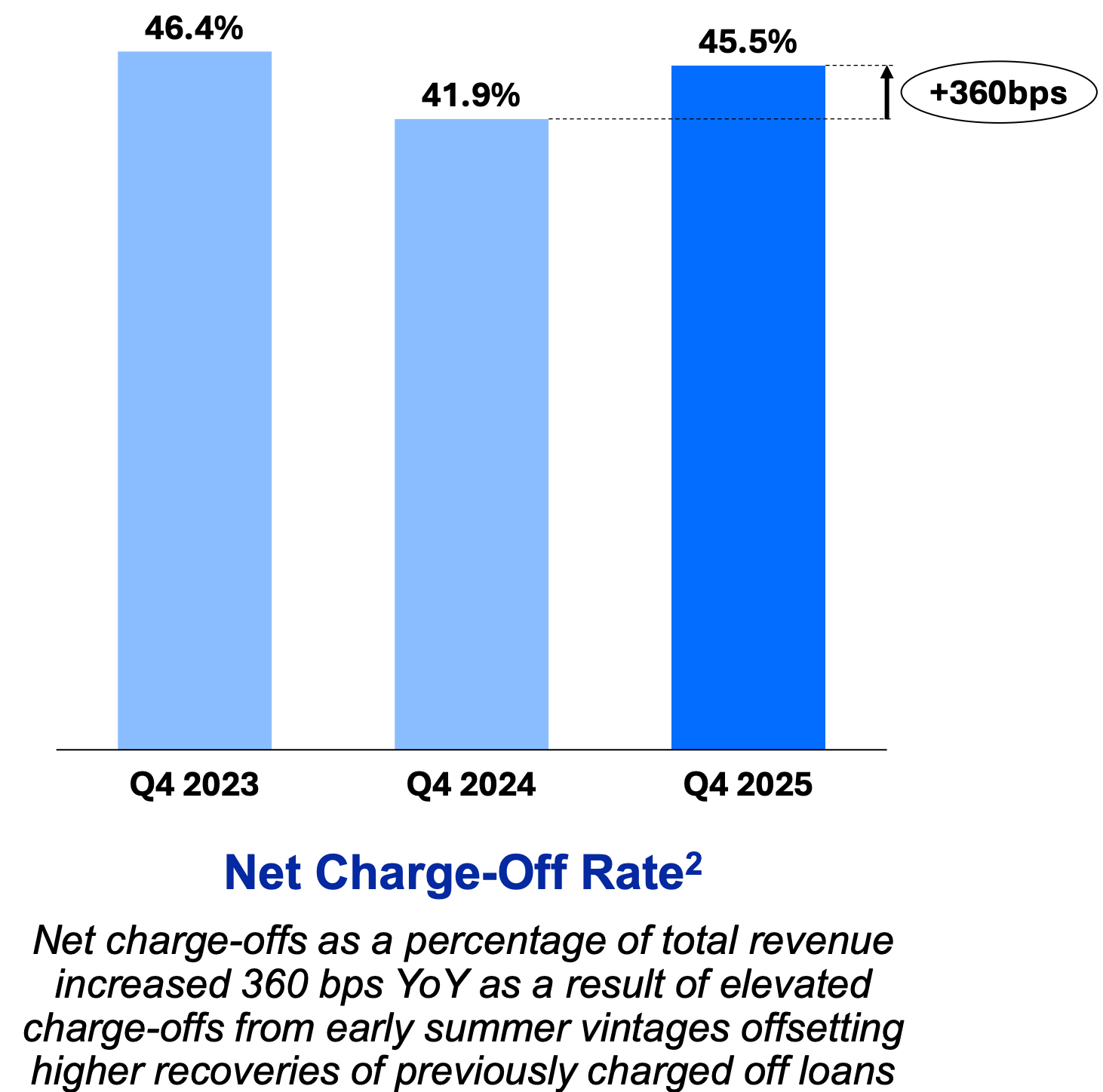
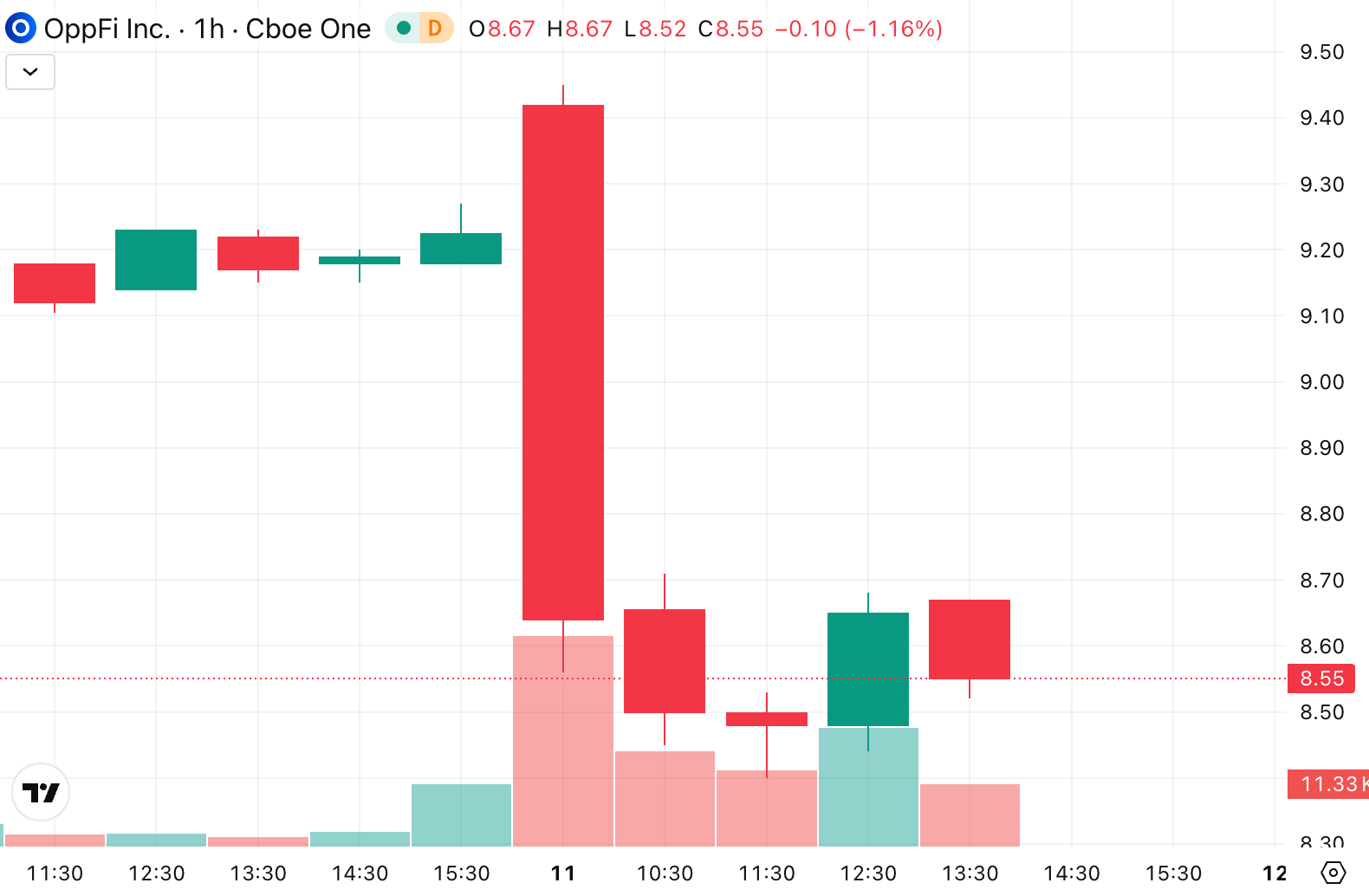
Management blamed this increase on early summer loan groups. Revenue also narrowly missed the analyst forecast of $160.1M (revenue = $159.2M). While the company beat EPS targets by 2 cents (EPS = 30 cents), the market focused on the revenue miss and credit risk.
Q4 2025 Call Highlights
The call focused on how technology will fix recent credit issues. Management plans to launch Underwriting Model 6.1 in the first half of 2026. This update aims to better weight borrower attributes to lower risk. I am watching Model 7.0, which is scheduled for the third quarter of this year. The company is also migrating to a new platform named LOLA. They believe this system will push auto-approval rates higher.
Analysts asked tough questions about the impact of high gas prices on borrowers. Management noted that inflation is a tax on its customers. It reduces their ability to pay back loans. He stated the company sees indicators of payment trouble within one month of a loan starting. Management is banking on their new line of credit product to find new growth. This product will launch in the summer of 2026.
Relevant Industry Trends and Outlook
The digital lending industry in 2026 depends on automation for survival. Borrowers now expect instant decisions and digital journeys. Any lender relying on manual steps will face higher costs and slower speeds. Real-time credit decisions are now the industry standard. OppFi is following this trend with its high auto-approval rate of 79%.
Regulation is becoming a heavier burden for small lenders. The Consumer Financial Protection Bureau is focusing on how lenders use artificial intelligence. Lenders must now give specific reasons for loan denials when using algorithms. New rules on data privacy and stablecoins are also changing the landscape. Larger peers like SoFi and Upstart are scaling faster across more categories like home and auto loans. This competition could squeeze the margins of niche players like OppFi.
Valuation
The market has repriced the entire subprime lending sector and the risk profile of the business has shifted. I rebuilt my valuation incorporating the most recent operating trends.
Two key assumptions changed in this update.
First, I increased the expected net charge-off rate in the model to reflect the recent deterioration in credit performance and the possibility that subprime borrowers remain under pressure from inflation and higher living costs.
Second, I raised WACC. The financing environment for subprime lenders has become more uncertain, and investors are demanding a higher risk premium for businesses exposed to weaker consumer credit conditions.
These adjustments reduce the present value of future cash flows. As a result, my fair value estimate declines from $21 per share to $15 per share.
Even with this more conservative framework, the stock still trades at a meaningful discount to intrinsic value. At current prices, OPFI sits at roughly 55 cents on the dollar relative to my updated estimate.
However, a low price alone is not enough to justify holding the position when the underlying risk profile of the business has changed.
Verdict
The bear case for OPFI is convincing. Subprime borrowers are facing a mix of high inflation and rising unemployment. If the new underwriting models fail to catch these trends, losses could spike. This would erase the margins that make the business attractive. If bank partners lose confidence, the entire lending funnel could collapse.
I am dismantling that bear case by looking at the cash. OPFI has eleven years of profit history. It generated $93.5 million in free cash flow this year alone. They have paid off their corporate debt and are returning capital to shareholders. The business is a cash machine.
I am closing my position to finance the acquisition of a company with better prospects. This new opportunity is in the energy industry. The stock has been hit lately because of the conflict in the Middle East.
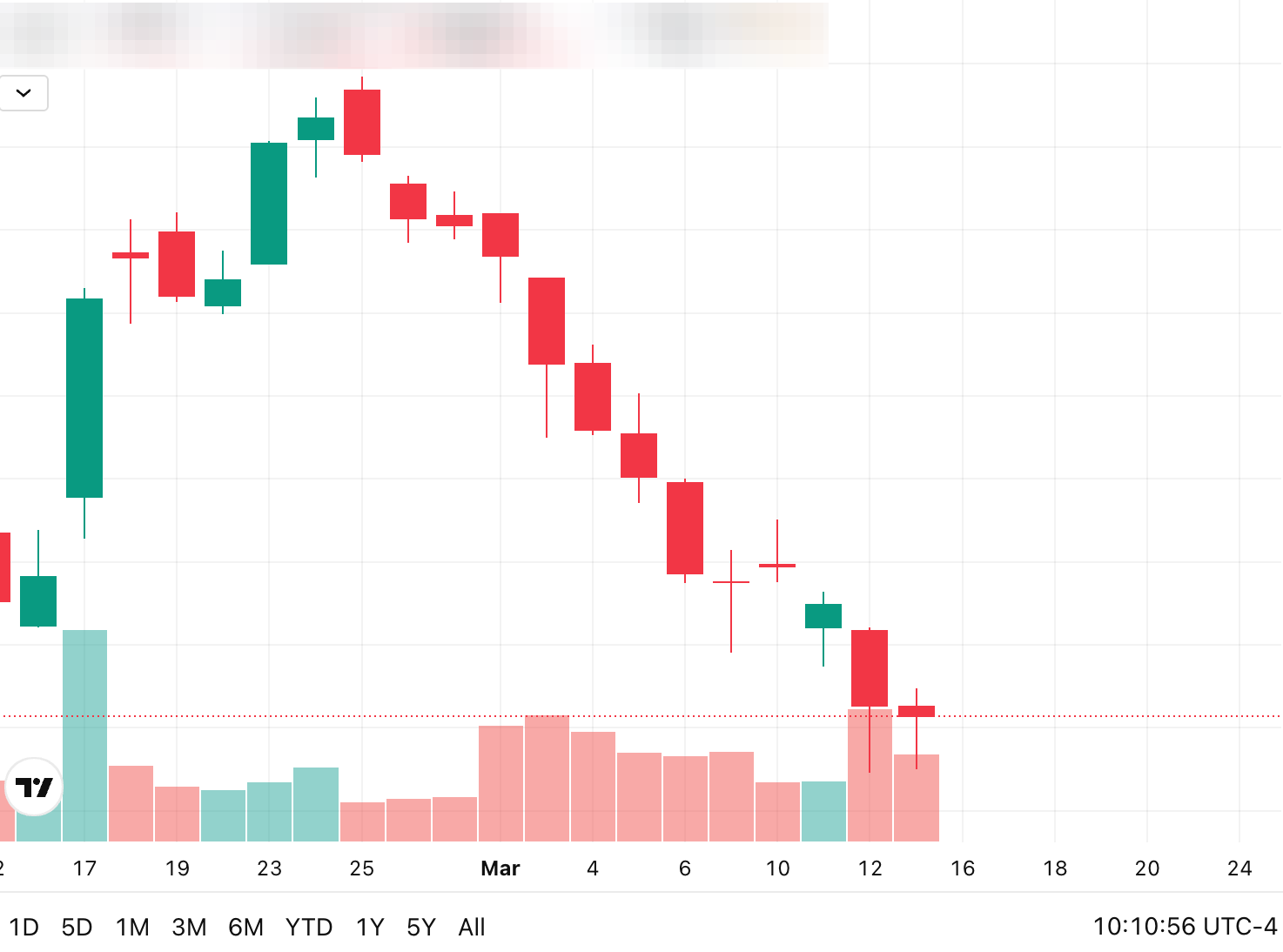
You might think that rising oil prices would benefit the share price, but this company focuses strictly on the MENA region, where the war is happening. While the market is pricing in the immediate risks of the conflict, I believe this creates a superior entry point compared to waiting for an uncertain turnaround in subprime lending.
